You wake up, pour your coffee, and sit on the couch. Within seconds, you’re covered in fur. Sound familiar?
If you share your home with a dog or cat, pet hair is basically a second roommate. It’s on your sweaters, your pillow, your keyboard, and somehow even your toast.
But here’s a thought that might change how you see that fuzzy mess: what if that fur wasn’t just a nuisance? What if it was actually a resource?
Pet fur crafts are exactly that. They turn something you’d normally vacuum up into something you’d actually want to keep. We’re talking keychains, portraits, jewelry, and even yarn, all made from the fur your pet generously donates to your furniture every single day.
Beyond the fun factor, there’s real emotional weight here. Our pets aren’t with us forever. Having a physical keepsake made from their fur is something deeply meaningful, especially for families who’ve lost a beloved animal.
And yes, it’s eco-friendly too. Instead of tossing fur in the trash, you’re giving it new life. That’s a win for your heart and the planet.
Why Pet Fur Crafts Are Gaining Popularity
More Americans are rethinking what they throw away. According to the American Pet Products Association (APPA), over 71% of U.S. households own a pet. That’s a whole lot of shed fur going straight into the bin every week.
The zero-waste movement has pushed people to get creative with materials they already have. Pet fur fits perfectly into that mindset. It’s abundant, free, renewable, and deeply personal. You can’t buy that at a craft store.
Social media has also played a huge role. Communities on Reddit and Instagram dedicated to pet fur crafting have grown significantly, with crafters sharing everything from beginner felted balls to stunning needle-felted portraits. The more people see what’s possible, the more they want to try it.
The Emotional Value of Pet Keepsakes
There’s something irreplaceable about a physical object tied to your pet. A fur keychain or a framed needle-felt portrait carries your pet’s actual essence, their real hair, their scent, their texture.
For grieving pet owners especially, these crafts serve as a gentle, tangible connection to a lost companion. It’s not just a craft. It’s a memory you can hold.
Sustainability Meets Creativity
Crafting with pet fur means less waste in landfills. Fur is a natural, biodegradable fiber. When you use it creatively instead of discarding it, you’re making a small but meaningful eco-friendly choice.
Think of it this way: your dog or cat is basically a walking, tail-wagging, sustainable craft supply store.
Types of Pet Fur You Can Use for Crafts
Not all pet fur is created equal. Before you dive into your first project, it helps to understand what you’re working with.
In general, longer, coarser fur tends to be easier to felt and spin. Finer, shorter fur requires a bit more patience but still works well for smaller projects like keychains or memory jars.
Dog Hair vs Cat Fur – What Works Best
Dog hair is typically the crafting winner. Breeds like Samoyeds, Huskies, Golden Retrievers, and Poodles produce long, thick coats that felt beautifully and can even be spun into yarn.
Cat fur is finer and softer. It works best for smaller projects like decorative felt balls or memory keepsakes rather than larger fiber arts. Long-haired cats like Maine Coons or Persians offer more workable material than short-haired breeds.
Quick Tip: Double-coated dog breeds produce the most craft-ready fur. Save the undercoat from grooming sessions as it’s especially dense and felts well.
Preparing Pet Fur for Crafting
Before you craft anything, the fur needs to be clean and prepped. Here’s a simple process:
- Brush your pet with a de-shedding tool to collect clean, loose fur directly.
- Wash the fur gently in warm water with a mild, fragrance-free soap.
- Rinse thoroughly and lay flat on a clean towel to air dry completely.
- Remove debris like grass, dirt, or tangles once it’s dry.
- Store in a breathable cotton bag until you’re ready to use it.
Never use wet fur directly in projects. Moisture can lead to mold or uneven results.
Easy DIY Pet Fur Craft Ideas for Beginners
You don’t need an art degree to start crafting with pet fur. These projects are beginner-friendly, low-cost, and genuinely satisfying to make.
Felted Pet Fur Balls & Mini Sculptures
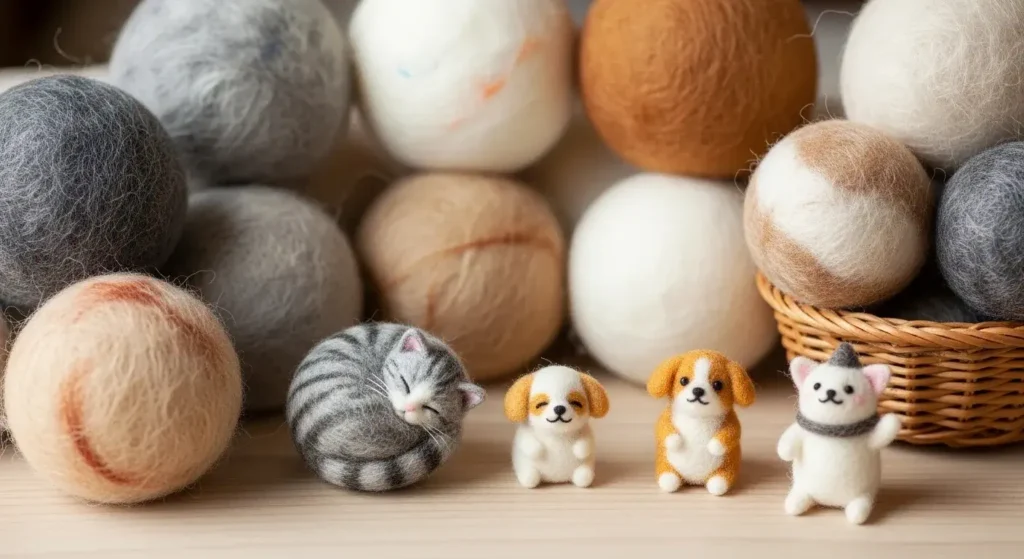
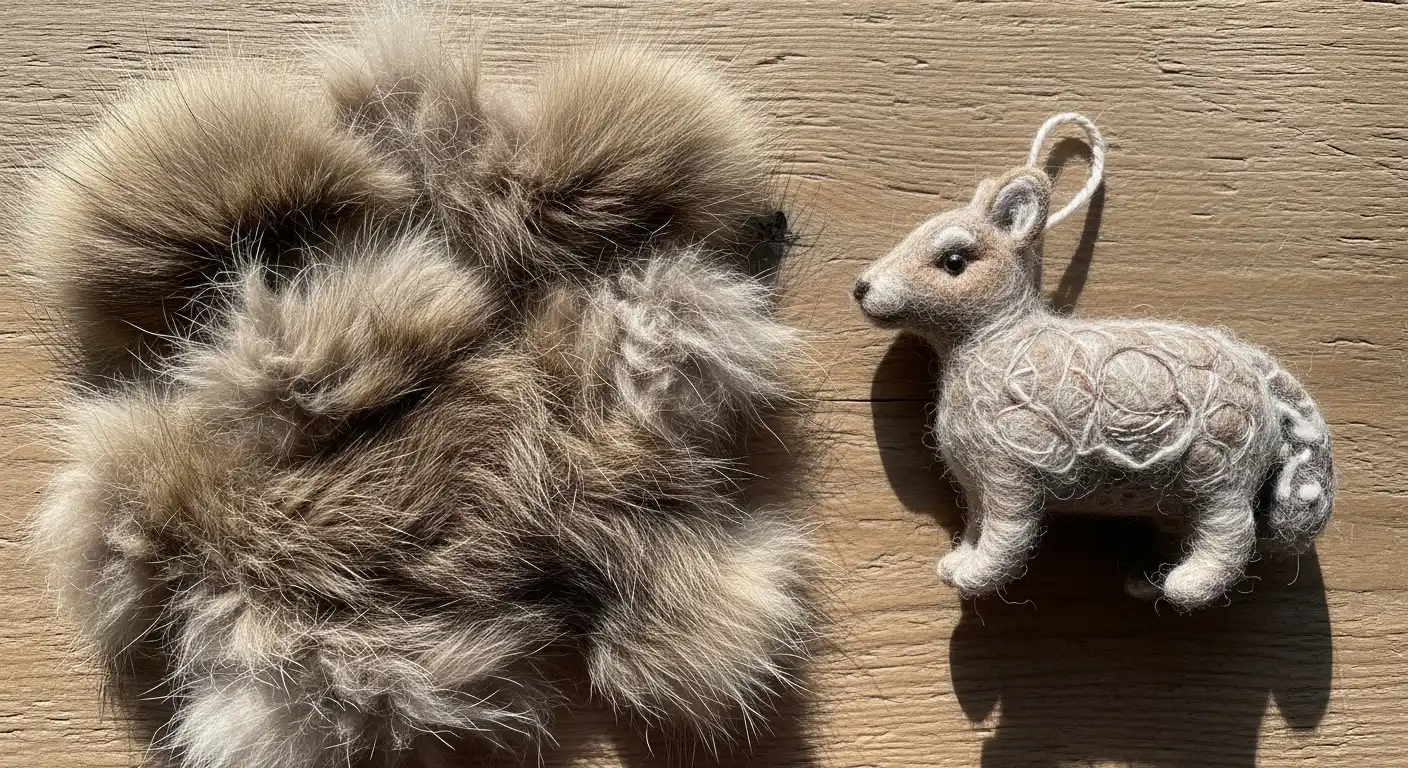
Needle felting is one of the most popular ways to use pet fur. For felted balls, you simply roll damp fur into a tight ball and stab it repeatedly with a barbed felting needle until it holds its shape.
You can make decorative balls for bowls, garlands, or ornaments. Mini sculptures, like tiny versions of your pet’s paw or face, are also achievable at the beginner level with a little patience.
Tools needed: Felting needle, foam pad, pet fur, bowl of water.
Expert Tip: Slightly dampen the fur before felting. It helps the fibers bond faster and creates a firmer final shape.
DIY Pet Fur Keychains
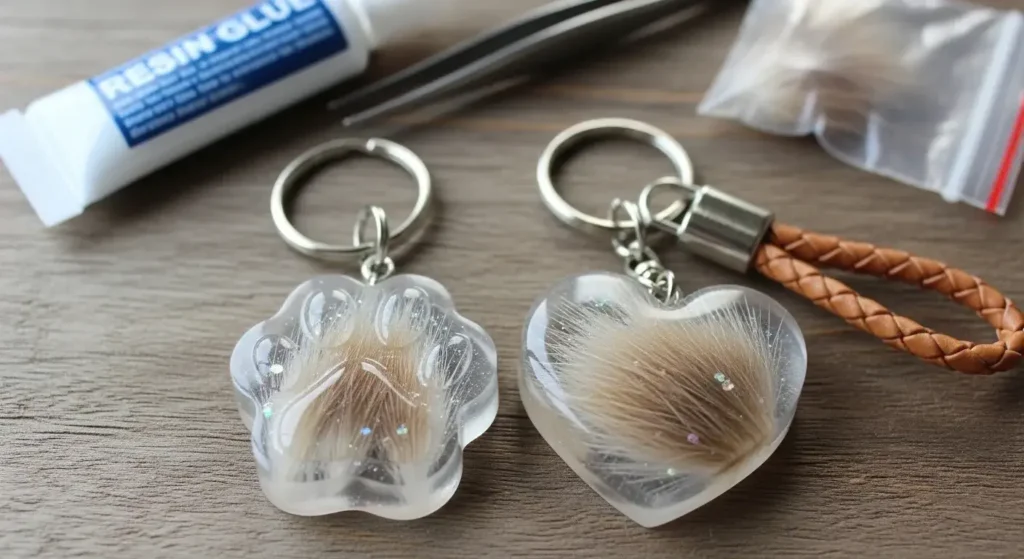
A pet fur keychain is one of the simplest and most portable keepsakes you can make. Roll a small amount of clean fur into a tight ball using needle felting. Once firm, attach it to a keyring using a jewelry finding and a small loop of wire or cord.
It fits in your pocket, hangs from your bag, and goes with you everywhere. A daily reminder of your furry best friend.
Memory Jar with Pet Fur
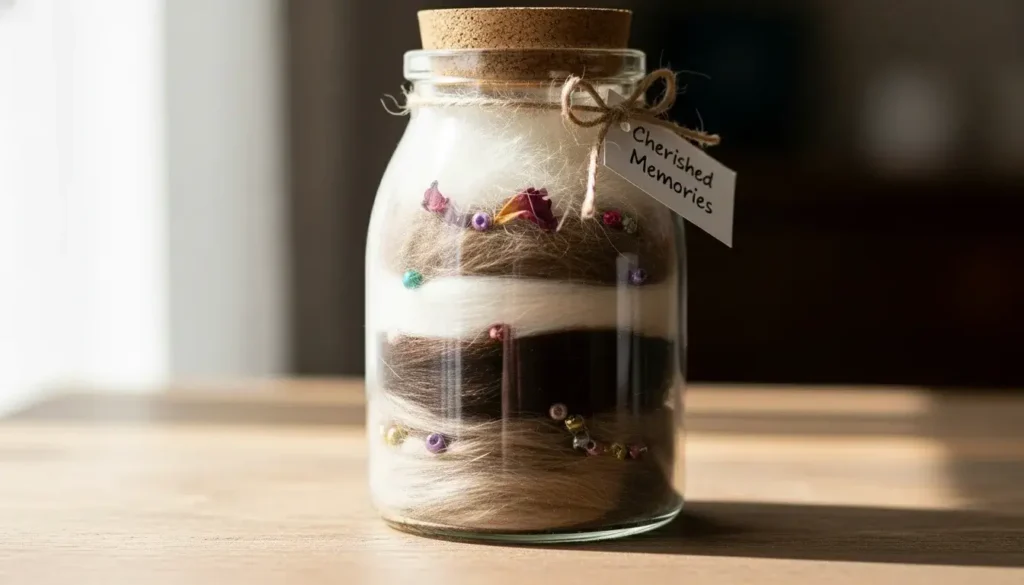
This one requires zero crafting skills. Take a small glass jar with a lid and fill it with cleaned, dried pet fur. Add a printed photo of your pet, a short handwritten note, or a tag with their name and birthdate. Seal it and display it on a shelf.
Simple. Personal. Priceless.
Pet Fur Bookmarks
Cut a strip of cardstock or thin felt to bookmark size. Glue a small tuft of cleaned pet fur to the top of the bookmark and cover it with a layer of clear resin or mod podge to seal it in place. Let it dry completely, punch a hole at the top, and thread a ribbon through.
Every time you open your book, there’s your pet.
Intermediate Pet Fur Craft Projects (Level Up Your Creativity)
Comfortable with the basics? These projects take a bit more time and skill but deliver seriously impressive results.
Needle-Felted Pet Portraits
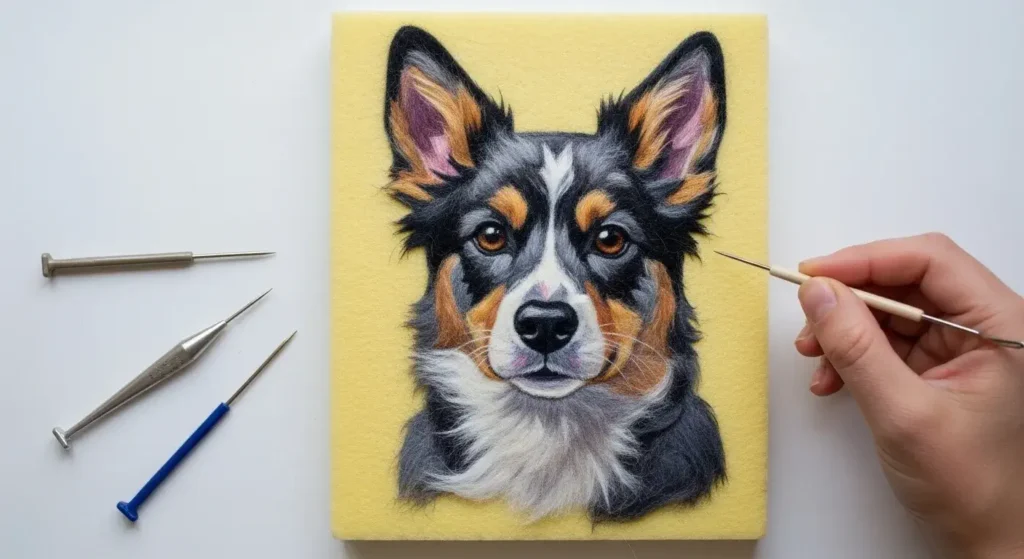
This is where pet fur crafting becomes genuine art. Using a foam board, felting needles, and layers of fur in various shades, you can build up a 2D portrait of your pet. Think impressionist painting, but with fiber.
It takes practice to get proportions right, but the results are breathtaking. Many crafters frame these and hang them as wall art. The Craft Yarn Council offers beginner-friendly felting guides if you want structured guidance.
Jewelry from Pet Fur (Necklaces, Bracelets)
Pet fur jewelry is a growing niche. Small felted beads made from fur can be strung onto necklaces or bracelets. You can also encase a small tuft of fur inside a clear resin pendant for a polished, modern look.
These make incredibly personal gifts, especially for fellow pet lovers or as remembrance pieces after a pet has passed.
Pet Fur Yarn Projects
Yes, you can actually spin pet fur into yarn. This process, sometimes called “chiengora” when using dog fiber, involves cleaning, carding, and spinning the fur using a drop spindle or spinning wheel.
According to Ravelry, a major knitting and crochet community, chiengora yarn is prized for its warmth and softness. Once spun, it can be knitted into scarves, hats, or small plush toys.
Step-by-Step Example: How to Make a Simple Felted Pet Fur Keepsake
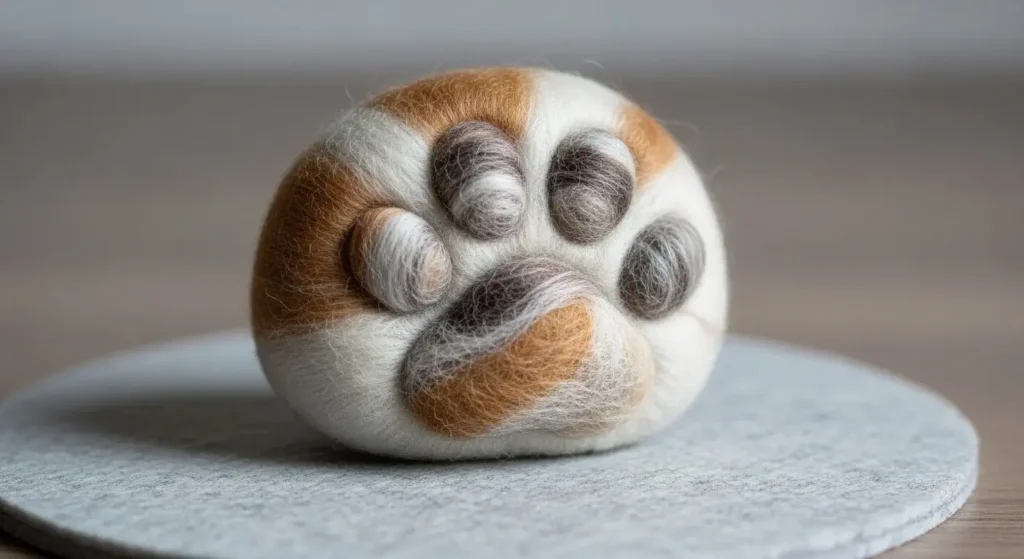
Here’s a beginner tutorial for a basic felted fur ornament, the perfect starter project.
What You’ll Need:
- Cleaned, dried pet fur (a golf ball-sized amount)
- Felting needle (size 36 or 38 works well for beginners)
- Foam felting pad
- Small bowl of water
- Optional: ribbon for hanging
Steps:
- Dampen the fur slightly. Dip your fingers in water and lightly mist the fur. Don’t soak it.
- Roll the fur into a ball. Compress it firmly between your palms until it holds a rough ball shape.
- Place it on the foam pad. Set the ball on your foam pad, which protects your work surface and fingers.
- Start felting. Poke the ball repeatedly with your felting needle using short, straight jabs. Rotate the ball every 10-15 pokes so it felts evenly.
- Keep working until firm. This takes about 15-30 minutes depending on the fur type. The ball should feel solid and hold its shape without bouncing back.
- Dry completely. Let it air dry for a few hours before handling or displaying.
- Add a ribbon. Thread a ribbon through the top with a large needle to hang it as an ornament.
Pro Tip: If the ball starts to flatten on one side, rotate it more frequently during felting.
Pro Tips for Better Pet Fur Crafting Results
These are the small details that separate okay projects from great ones.
- Use slightly damp fur for felting. Moisture activates the fiber scales and speeds up bonding. Dry fur takes much longer to felt and can result in a looser final product.
- Mix fur with wool roving. Blending pet fur with a small amount of wool fiber adds durability and structure, especially for wearable items like jewelry or yarn.
- Start small. A felted ball takes 20 minutes. A portrait takes hours. Don’t set yourself up for frustration by jumping straight to complex projects.
- Store fur in breathable cotton bags. Avoid plastic bags or sealed containers. Trapped moisture leads to mold. A muslin or cotton bag keeps fur fresh and tangle-free for months.
- Label your fur. If you have multiple pets, label each bag with the pet’s name and collection date. You’ll thank yourself later.
Common Mistakes to Avoid
Learning from others’ mistakes is just good crafting strategy.
| Mistake | Why It’s a Problem | Fix |
|---|---|---|
| Using unclean fur | Dirt, oil, and debris ruin fiber bonding | Always wash and dry before use |
| Wrong needle size | Too fine or coarse damages the fur | Use size 36-38 for general felting |
| Expecting perfect results fast | Felting takes time and repetition | Start with simple shapes first |
| Overcomplicating beginner projects | Frustration leads to quitting | Stick to balls and keychains first |
| Using plastic storage | Traps moisture, causes mold | Switch to breathable cotton bags |
Patience is honestly the most important tool in your kit. Every experienced crafter started with a lumpy, uneven felted ball. That’s part of the process.
Safety & Hygiene Tips for Pet Fur Crafts
Crafting with pet fur is safe for most people, but a few precautions go a long way.
- Always wash fur before use. This removes allergens, dander, and bacteria that may be present in shed fur.
- Work in a well-ventilated area. Fine fur fibers can become airborne during felting. Good airflow reduces inhalation.
- Wear a dust mask if sensitive. If you or a household member has pet allergies, a basic craft mask adds a layer of protection.
- Wash your hands after crafting. Standard hygiene practice, especially before eating.
- Keep pets away from felting needles. Those barbed needles are sharp. Store them safely out of reach of curious paws and kids.
Conclusion: Turning Fur into Forever Memories
Pet fur crafts are proof that the best materials aren’t always the most expensive ones. Sometimes they’re already stuck to your couch.
Whether you make a simple memory jar or spend a weekend needle-felting a portrait, the result is something irreplaceable. It’s made with your hands, from your pet’s fur, with your love behind it.
Start small. Try the felted ball or the memory jar first. Get comfortable with the materials before moving on to bigger projects. Most importantly, enjoy the process. It’s one of the nicest ways to celebrate the animals who make our lives better every single day.
FAQs – Pet Fur Crafting Questions Answered
Can you really use pet hair for crafts?
Absolutely. Pet hair, especially from dogs and long-haired cats, is a natural fiber that can be felted, spun into yarn, pressed into jewelry, or preserved in keepsakes. Longer, coarser fur from double-coated breeds works especially well.
What is the easiest pet fur craft for beginners?
A memory jar is the easiest since it requires no tools or special skills. For hands-on crafting, a felted fur ball is the best starting point. It only requires a felting needle, foam pad, and a handful of fur.
Does pet fur need to be cleaned before crafting?
Yes, always. Unwashed fur contains natural oils, dander, and environmental debris that can interfere with felting and create hygiene issues. Wash with mild soap, rinse thoroughly, and air dry completely before starting any project.
Can dog hair be turned into yarn?
Yes. Dog fur yarn, traditionally called chiengora, has been used for centuries. It requires carding and spinning, either by hand with a drop spindle or with a spinning wheel. Double-coated breeds like Samoyeds, Huskies, and Chow Chows produce the best spinning fiber.
Are pet fur crafts safe for people with allergies?
Washing the fur removes most allergens and dander, which significantly reduces allergy risk. Working in a ventilated space and wearing a dust mask adds further protection. However, people with severe pet allergies should consult a doctor before handling fur extensively.
How do I store pet fur before using it?
Store cleaned, dry fur in a breathable cotton or muslin bag away from direct sunlight and humidity. Avoid plastic bags as they trap moisture. Label each bag with your pet’s name and collection date. Properly stored fur stays craft-ready for several months.