

So you just brought home your new puppy. You’ve got the crate set up, the food bowl is ready, and you’re basically vibrating with excitement.
Then reality hits.
Your adorable new dog is hiding behind the couch, refusing to eat, and looking at you like you’re a total stranger. (Which, technically, you are.) You start Googling things like “is my puppy okay” at midnight, spiraling into a rabbit hole of puppy forums and contradicting advice.
Here’s the thing: your puppy is completely fine. And there’s actually a name for exactly what you’re both going through.
It’s called the 3-3-3 puppy rule. And once you understand it, everything starts making a whole lot more sense.
This guide breaks down each stage in plain English, tells you what to expect, what to do, and what NOT to do. Whether you’ve got a brand-new puppy from a breeder or a rescue dog you just adopted from a shelter, this framework is your new best friend.
What Exactly is the 3-3-3 Puppy Rule?
The 3-3-3 puppy rule is a behavioral adjustment framework that describes what your dog goes through in the first 3 days, 3 weeks, and 3 months after coming home with you.
Think of it like starting a new job. On Day 1, you’re overwhelmed, quiet, and just trying to figure out where the bathroom is. By Week 3, you’re getting comfortable and maybe pushing back on things you don’t like. By Month 3, you finally feel like yourself.
Dogs go through the exact same process. They just can’t tell you about it.
Originally popularized in the rescue and shelter adoption world, this rule applies to any dog entering a new home regardless of where they came from. It’s not a strict countdown clock. It’s a guide to help you set realistic expectations and stop panicking every time your puppy does something unexpected.
According to the American Society for the Prevention of Cruelty to Animals (ASPCA), the transition period after adoption is one of the most critical windows for building a lasting bond with your dog. Understanding what your dog is feeling during each phase is the foundation of that bond.
Here’s a quick visual breakdown before we dive deep:
| Stage | Timeframe | What Your Dog Feels | Your Job |
| Stage 1 | First 3 Days | Overwhelmed, shut down, or anxious | Keep things calm and low-pressure |
| Stage 2 | First 3 Weeks | Testing limits, exploring, opening up | Be consistent and start basic training |
| Stage 3 | First 3 Months | Settling in, bonding, showing true self | Build routine and deepen the relationship |
Breaking Down Each Stage of the 3-3-3 Rule
Stage 1: The First 3 Days (Overwhelmed and Observing)
Your puppy just got dropped into an entirely new universe.
New smells. New sounds. New faces. No familiar smells from their litter, their foster home, or their shelter kennel. It’s a full sensory overload, and their nervous system is in overdrive.

This is why your puppy might be hiding under the bed, not eating much, acting unusually quiet, or doing the opposite by bouncing off the walls in a stress response. Both reactions are totally normal.
Dogs experience genuine stress during environmental transitions, which directly affects appetite, behavior, and sleep patterns in the first few days.
Here’s what to do during the first 3 days:
- Keep the house calm and quiet. No big “meet the puppy” parties yet.
- Let your dog explore at their own pace. Don’t force cuddles or pick them up constantly.
- Set up a quiet decompression zone (a crate with soft bedding works perfectly).
- Start a simple feeding schedule and offer food at the same time each day.
- Limit the number of people your dog meets in these early days.
What NOT to do:
- Don’t flood your puppy with too many new experiences right away.
- Don’t invite every neighbor and cousin over to see the new puppy.
- Don’t interpret quietness or hiding as a personality flaw.
Expert Tip: Before your puppy even comes home, place a worn T-shirt or old sweatshirt in their crate. Your scent will start doing the trust-building work before you even say a word. It’s a small move with a big impact.
Stage 2: The First 3 Weeks (Testing the Waters)
Here’s where things get interesting and sometimes a little chaotic.
By week two or three, your puppy starts to lower their guard. They’ve figured out the basic layout of your home. They know which human drops the food bowl. And now they’re ready to start testing limits.
This is the stage where many new pet parents get frustrated and think, “What happened? They were so sweet at first!” But this behavioral shift is actually a great sign. It means your puppy trusts you enough to show you their real personality.

Typical behaviors during weeks two and three include:
- Getting playful and curious around the house
- Testing boundaries (jumping on furniture, nipping, chewing things they shouldn’t)
- Being selective about who they listen to in the household
- Showing some resource guarding around food or toys
- Possible regression on potty training (yes, even after a good start)
Here’s what to do during the first 3 weeks:
- Start consistent basic training: sit, stay, name recognition, and “no.”
- Establish a firm daily routine. Dogs thrive on predictability.
- Use positive reinforcement exclusively. Rewards work better than punishment.
- Get every person in the household on the same page about rules. Consistency is everything.
- Limit stressful or overwhelming outings for now.
Expert Tip: Write down your house rules before your puppy arrives and share them with every person in the home. One person letting the dog on the couch while another says no will confuse your pup and slow down the adjustment dramatically.
Stage 3: The First 3 Months (Finally Feeling at Home)
This is the stage you’ve been working toward.
By the three-month mark, most puppies and rescue dogs have settled into a real rhythm with their family. They know their name. They understand the basic rules (even if they occasionally ignore them). They know where they sleep, when they eat, and who their people are.

The anxiety of those early days fades, and what emerges is your dog’s true personality. This is when the relationship really starts to blossom.
What you’ll typically see by month three:
- Strong emotional bond with primary caregivers
- More reliable potty habits (though accidents still happen)
- Real confidence during walks, playtime, and social situations
- Growing comfort with basic training commands
- Beginning signs of adolescence in puppies (around 4 to 6 months)
Here’s what to do during months one through three:
- Progress to intermediate training. Think leash manners, basic recall, and sit-stay in distracting environments.
- Start gradual socialization. Dog parks, pet-friendly stores, and puppy classes are great options.
- Keep the routine going. Don’t let things slide just because life feels easier now.
- Schedule a full vet wellness check if you haven’t already.
One important thing to keep in mind: the three-month mark is a milestone, not a finish line. Training and bonding are lifelong processes. Think of month three as the end of the beginning.
If you’re building a solid daily structure for your dog, this guide on creating a daily dog care routine will walk you through exactly what a healthy routine looks like.
Myths vs. Facts: What New Pet Parents Get Wrong About the 3-3-3 Rule
Let’s clear the air on some things.
There’s a lot of misinformation floating around about the puppy adjustment period. Here are the most common myths and what’s actually true.
| Myth | Fact |
| “My puppy should be happy and confident right away.” | Even happy, healthy puppies need days or weeks to decompress. Confidence takes time. |
| “Not eating well means something is medically wrong.” | Appetite dips in the first 72 hours are almost always stress-related, not medical. |
| “The 3-3-3 rule only applies to rescue dogs.” | It applies to any dog in a new home, breeder puppy included. |
| “Acting out at 3 weeks means I got the wrong dog.” | It means your dog feels safe enough to be real with you. That’s a good thing. |
| “By 3 months, training should be complete.” | Month 3 is your foundation. Real training is a lifelong relationship. |
| “Crating during adjustment is unkind.” | A properly introduced crate is a safe haven, not a punishment. Most dogs genuinely love their crate. |
According to the Humane Society of the United States, crate training when introduced with patience and positive reinforcement actually reduces anxiety in dogs and supports faster, healthier adjustment to a new home.
Pro Tips to Make the 3-3-3 Transition Smoother
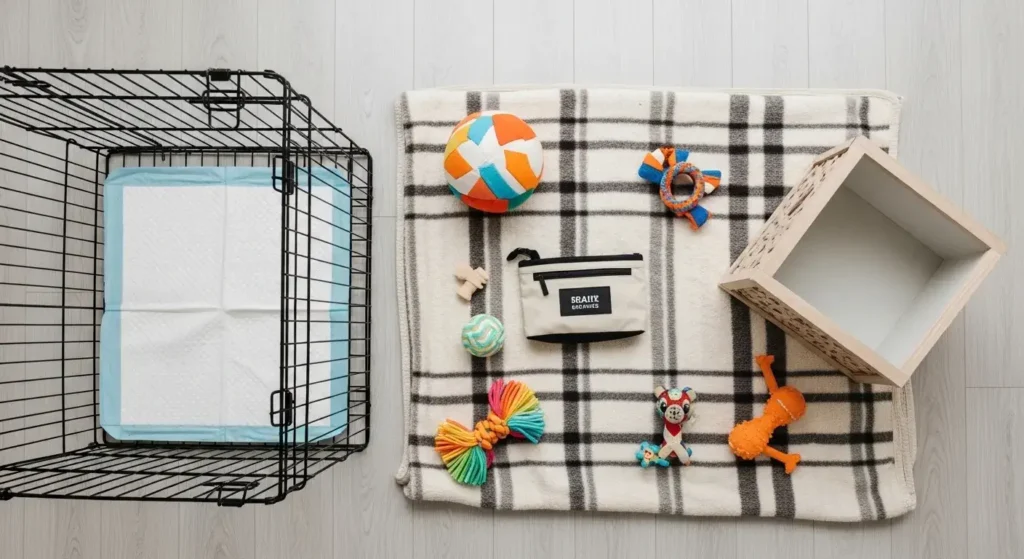
These are the things experienced dog owners and trainers know that don’t always make it into the basic guides.
- Set up the decompression zone before your puppy arrives. A quiet corner with a crate, soft bedding, water, and a couple of toys gives your dog an immediate retreat. Walking into a ready space feels less overwhelming than a chaotic new environment.
- Use a worn T-shirt as a comfort tool. Place a shirt that smells like you in the crate from day one. Your scent is calming and helps your pup associate their safe space with you.
- Keep a simple puppy journal. Jot down behaviors, appetite, potty habits, and mood across the three stages. You’ll spot patterns faster, celebrate wins, and have useful information if you ever consult a trainer.
- Front-load calm energy, not excitement. Your energy sets the tone. A calm, quiet welcome on Day 1 tells your puppy “this is a safe place.” An excitable, chaotic one tells them “this place is unpredictable.”
- Get your household rules locked in before Day 1. Decide together: Is the dog allowed on the furniture? What are the feeding times? Who handles morning walks? Inconsistency is one of the top reasons puppies take longer to adjust.
- Stop comparing your puppy’s timeline to others. Social media is full of “my rescue dog was fully settled in a week!” stories. Every dog is different. Some take longer. That’s not failure. That’s just your dog being your dog.
If you’re working on choosing the right accessories as part of settling your puppy in, this article on using color psychology to choose the right accessories is genuinely fun and useful.
Does the 3-3-3 Rule Work Differently for Rescue Dogs?
Short answer: Yes, and it’s worth knowing why.
Rescue dogs often carry history you don’t know about. Past neglect, shelter stress, multiple rehomings, or traumatic experiences can make every stage of the 3-3-3 rule feel more intense or last longer.
A dog that came from a chaotic or abusive environment might spend significantly more than three days in overwhelm mode. Their three-week testing phase might look like persistent anxiety, excessive barking, house soiling, or clinginess rather than simple boundary-pushing.
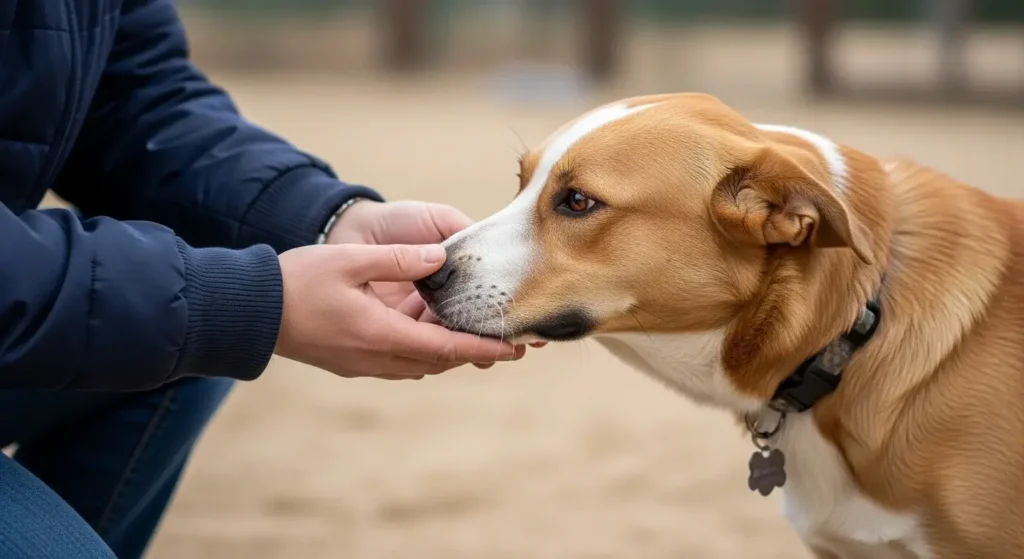
That’s not a sign that something is wrong with your dog. It’s a sign they’ve been through something hard and they need more time and gentleness to heal.
Rescue dogs from shelter environments can take anywhere from three to six months to fully decompress, especially if they were in a high-stress kennel situation for an extended period.
Here’s what rescue-specific adjustment looks like in practice:
- Stick to the same schedule every single day. Predictability is emotionally healing for a dog that’s known chaos.
- Never force interaction. Let your rescue dog come to you on their own terms, especially in the early weeks.
- Watch for signs of kennel stress: repetitive behaviors, difficulty settling, hypersensitivity to sounds.
- Consider working with a positive reinforcement trainer who has experience with rescue dogs.
Speaking of trainers, if you’re wondering how to find the right professional help, this guide on how to choose the right dog trainer lays out exactly what to look for.
Patience is the most powerful tool you have with a rescue dog.
The 3-3-3 Rule Is Really Just a Love Letter to Patience
Here’s the bottom line.
The first 3 days are about survival. Your puppy is overwhelmed, shut down, and just trying to figure out if they’re safe.
The first 3 weeks are about discovery. They’re testing limits, finding their personality, and figuring out who you are to them.
The first 3 months are about belonging. By now, your home is their home. You’re their person. And the hard early work? Completely worth it.
The messiest first few days often produce the most loyal, loving dogs. The scared little rescue hiding behind the couch on Day 1 might be the same dog curled up in your lap every single night by month three.
Trust the process. Trust your dog. And trust yourself.
If you’re thinking about a name for your new green-eyed pup (they exist, and they’re stunning), here’s a fun list of green-eyed dog names to browse while your puppy naps.
Got questions or a 3-3-3 story of your own? Drop it in the comments below. We love hearing how it’s going.
Frequently Asked Questions About the 3-3-3 Puppy Rule
What is the 3-3-3 rule for puppies?
The 3-3-3 puppy rule is a behavioral framework describing the three main adjustment phases a dog goes through in a new home: the first 3 days (overwhelm), the first 3 weeks (exploration and testing), and the first 3 months (settling in and bonding). It helps pet parents set realistic expectations and understand their dog’s behavior at each stage.
Does the 3-3-3 rule apply to puppies from breeders, or only rescues?
It applies to all dogs entering a new home, whether from a shelter, rescue organization, breeder, or private rehoming situation. Any environmental change triggers a stress and adjustment response in dogs, regardless of their background.
What are the signs my puppy is adjusting well to their new home?
Good adjustment signs include eating and drinking normally, exploring the home with curiosity, initiating play, sleeping soundly through the night, responding to their name, and showing relaxed, loose body language during daily interactions.
My puppy seemed perfect at first but is acting out at 3 weeks. Is something wrong?
Nothing is wrong. This is one of the most common experiences new pet parents have, and it’s actually a healthy sign. Your puppy now feels safe enough to show their real personality and test limits. The right response is gentle, consistent reinforcement of your house rules and training, not alarm.
How can I help a scared or shy puppy feel safe faster?
Keep the home low-stimulation in the first few days, introduce the crate as a safe den rather than a punishment, use your scent (a worn shirt) for comfort, avoid forcing physical interaction, and speak in a calm, consistent voice. Let the puppy set the pace for building trust.
What happens after the 3-month mark? Is the adjustment period over?
The 3-month mark signals the end of the initial adjustment phase, not the end of training or bonding. Many puppies enter adolescence between 4 and 8 months, which brings a whole new set of behavioral changes. Continue positive reinforcement training, maintain your routine, and remember that the dog-owner bond keeps deepening for years.