
🐾 Quick Summary
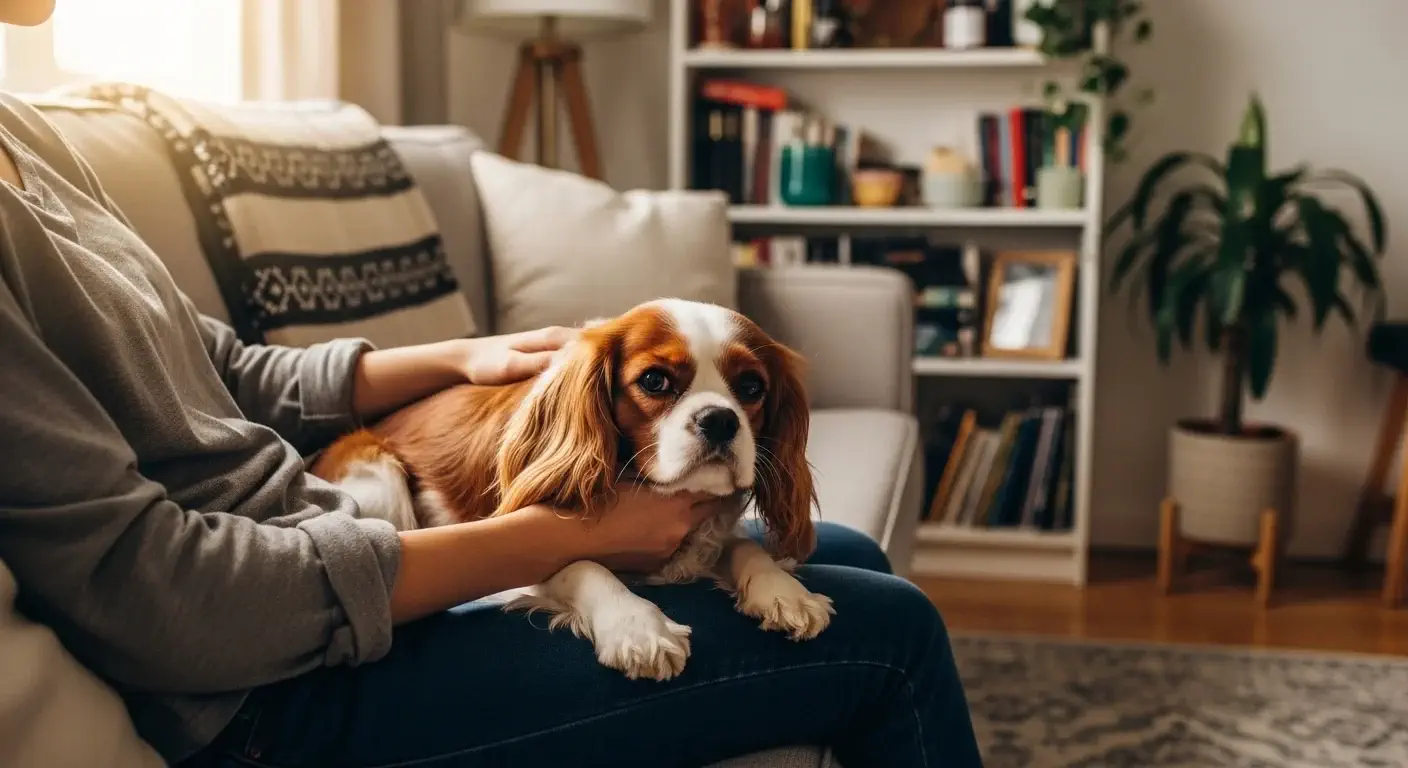
For first-time dog owners, the calmest breeds include the Cavalier King Charles Spaniel, Basset Hound, and Shih Tzu. These breeds feature gentle temperaments, low exercise demands, and high adaptability to apartment or suburban life making them ideal low-stress companions for beginners navigating pet ownership for the first time.
Bringing home your first dog is one of life’s most rewarding experiences and one of its most overwhelming. At Pet Civic, we hear it constantly: new owners underestimating how much energy a Border Collie or Siberian Husky actually has, ending up stressed, sleep-deprived, and honestly questioning their decision. Choosing the right breed from the start can be the difference between a joyful bond and a chaotic household.
The good news? Selecting from the calmest dog breeds for first-time owners is one of the smartest decisions you can make. Low-energy, easy-going dogs are easier to train, less likely to develop destructive behavior, and far more forgiving of the inevitable rookie mistakes every new owner makes.
This guide built on veterinary insight and behavioral research will walk you through exactly which breeds to consider, and why.
Why Beginners Should Choose Low Energy Dog Breeds
Through our research into pet wellness and behavioral science, we’ve found that energy level is the single most underestimated factor in first-time dog ownership.
Here’s why low-energy dogs for new owners are objectively easier to manage:
- Lower daily exercise needs: Most calm breeds thrive with 20–40 minutes of activity per day, compared to 60–120 minutes for high-drive working breeds.
- Easier obedience training: Dogs with calmer temperaments have lower cortisol reactivity, meaning they’re less likely to get distracted or overwhelmed during training sessions.
- Better social behavior: Calm dogs are more predictable around guests, children, and other pets — a major advantage for owners still learning to read canine body language.
How to Choose a Calm Dog Breed for Your Lifestyle
Picking a breed isn’t just about temperament, context matters enormously. Here’s what to evaluate before you commit.
Consider Your Living Space (Apartments vs. Houses)
Not all calm dogs are built the same. A Great Dane needs room to stretch out despite its mellow personality. A Shih Tzu or Cavalier, by contrast, is perfectly content in a 600 sq ft studio.
- If you live in an apartment: prioritize size AND noise level.
- If you have a house with a yard: size is less of a constraint, but energy level still matters.
- Noise sensitivity tip: Check local HOA or lease policies. Breeds like the Basset Hound, while calm, can have a baying tendency that surprises neighbors.
Evaluate Daily Time Commitment
Be honest with yourself about your schedule:
- Working 9–5 full-time? Choose a breed that handles alone time well (Basset Hound, Shih Tzu).
- Work from home or flexible hours? Cavaliers and Greyhounds thrive with more human contact.
- Avoid breeds that are calm but prone to separation anxiety like the Cavalier, if you’re gone 10+ hours daily without a dog walker.
Grooming & Shedding Expectations
| Breed | Shedding Level | Grooming Frequency | Estimated Annual Grooming Cost (USA) |
|---|---|---|---|
| Cavalier King Charles Spaniel | Moderate | Weekly brushing + monthly trim | $400–$700 |
| Basset Hound | Moderate | Bi-weekly brushing, ear cleaning | $200–$400 |
| Shih Tzu | Low (hypoallergenic-ish) | Daily brushing or short clip | $500–$900 |
| Greyhound | Very Low | Occasional wipe-down | $100–$200 |
| Great Dane | Low–Moderate | Weekly brushing | $300–$500 |
Family Compatibility
- Kids in the home? Cavaliers and Basset Hounds are exceptionally patient.
- Seniors or mobility-limited owners? Greyhounds and Shih Tzus are ideal, low maintenance, low impact.
- Other pets? Basset Hounds and Great Danes typically coexist well with cats and smaller animals when properly socialized.
Top 5 Calmest Dog Breeds for First-Time Owners
1. Cavalier King Charles Spaniel (The Ultimate Companion Dog)

If there’s one breed at Pet Civic we recommend to virtually every first-time owner, it’s the Cavalier King Charles Spaniel.
Why they work for beginners:
- Naturally gentle, emotionally attuned, and rarely aggressive
- Low barking tendency, ideal for apartments and condos
- Bonds deeply with individuals and families alike
What to watch for:
- Prone to Myxomatous Mitral Valve Disease (MMVD) a hereditary cardiac condition. Always request CAER and OFA cardiac certifications from breeders.
- Can develop separation anxiety if left alone for extended periods.
Best for: Remote workers, retirees, singles, and families with gentle children.
🐾 Pet Civic Expert Tip:
When meeting a Cavalier puppy, always ask the breeder to show you the parents’ cardiac health clearances. MVD affects over 50% of Cavaliers by age 5. Reputable breeders registered with the Cavalier Health Organization (CHO) follow a mandatory cardiac breeding protocol. Don’t skip this step, it can save you thousands in veterinary bills and heartbreak.
2. Basset Hound (Relaxed and Easygoing)
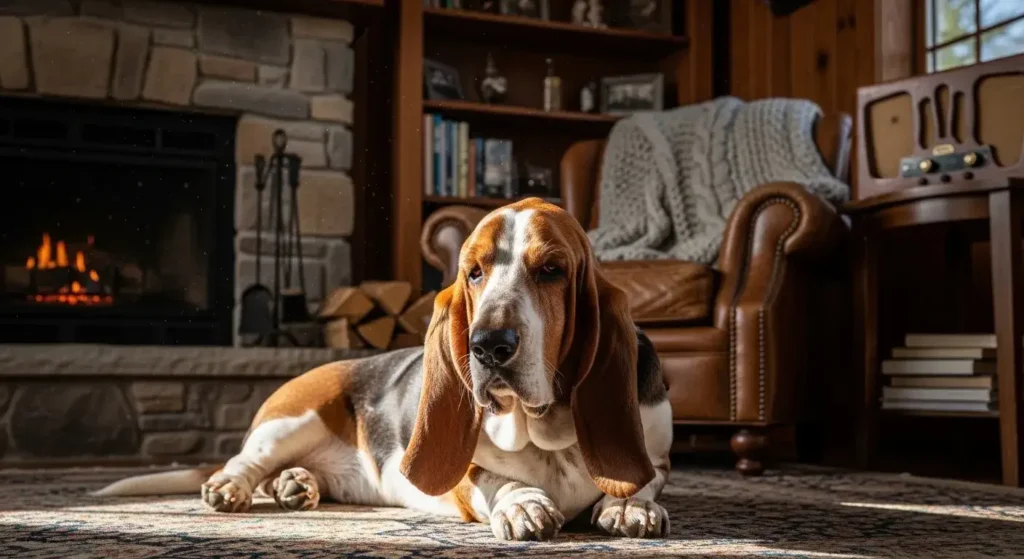
The Basset Hound is the canine definition of “go with the flow.” With their droopy eyes, low-slung build, and deeply unhurried pace, Bassets are naturally one of the most relaxed dog breeds on the planet.
Why they work for beginners:
- Naturally low activity needs, happy with two moderate walks per day
- Laid-back, tolerant, and non-reactive with strangers and other dogs
- Affectionate without being clingy
What to watch for:
- Stubbornness: Bassets are scent hounds and will follow a smell right off the radar. Use positive reinforcement consistently.
- Prone to ear infections due to their long, floppy ears. Weekly ear cleaning is non-negotiable.
- Weight management is essential, obesity is common in the breed.
Best for: Laid-back owners, families, suburban households.
3. Shih Tzu (Friendly and Low-Maintenance Energy)
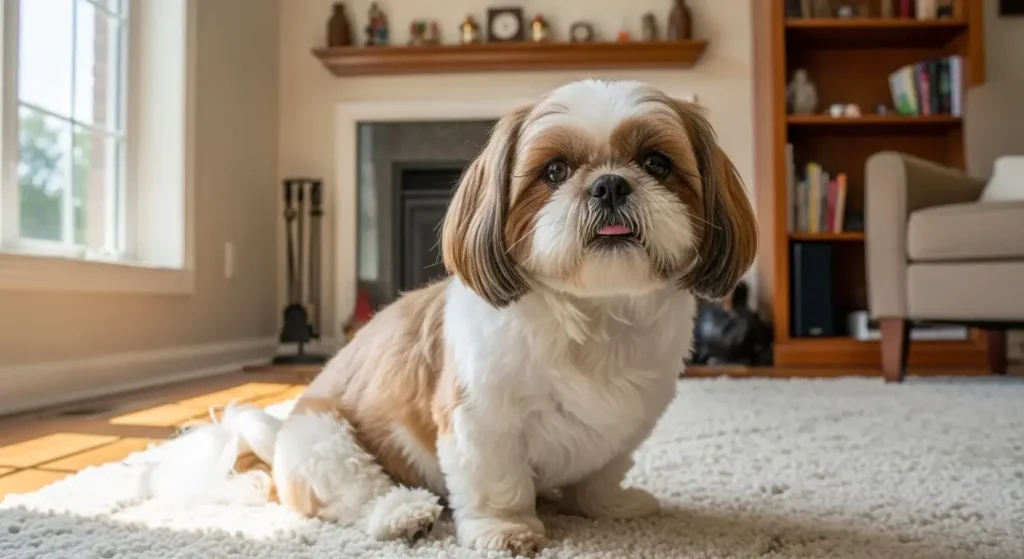
The Shih Tzu has been a companion dog for centuries, bred explicitly to be calm, loving, and suited to indoor life. They’re one of the most beginner-friendly dog breeds available in the USA today.
Why they work for beginners:
- Almost exclusively indoor dogs — minimal outdoor exercise needs
- Highly adaptable to small living spaces
- Generally friendly with strangers, children, and other pets
- Low shedding (a significant lifestyle advantage for allergy-sensitive households)
What to watch for:
- Brachycephalic Obstructive Airway Syndrome (BOAS): their flat faces can cause breathing issues in heat and humidity. Avoid exercise in temperatures above 80°F.
- Grooming demands are higher than the breed’s energy level suggests, daily brushing or a professional short “puppy cut” is standard practice.
Best for: Apartment dwellers, allergy-conscious owners, seniors, first-time owners in warm climates who keep pets indoors.
4. Greyhound (Surprisingly Low Energy)
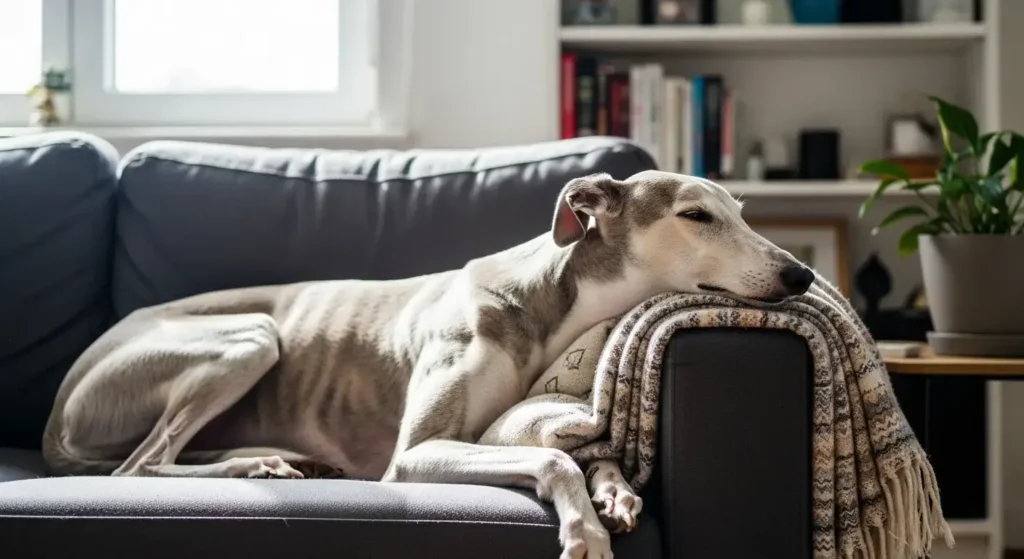
Here’s a fact that shocks most first-time owners: Greyhounds are couch potatoes.
Despite their reputation as elite racing athletes, retired Greyhounds (and even non-racing Greyhounds) are among the calmest, most low-maintenance dogs you can own.
Why they work for beginners:
- Sleep 16-18 hours per day — yes, really
- Happy with one or two 20-30 minute walks daily
- Minimal barking, extremely gentle, rarely aggressive
- Very low grooming needs, short coat, low odor
- The National Greyhound Adoption Program (NGAP) and similar USA-based rescues make adoption accessible and affordable
What to watch for:
- Prey drive: Greyhounds have a strong instinct to chase. Always use a leash outdoors; a securely fenced yard is essential.
- Can be sensitive to cold, they need a coat in winter, especially in northern states.
- Thin skin and low body fat make them more susceptible to anesthesia risks; inform your vet.
Best for: Busy professionals, apartment dwellers, owners who want a low-maintenance large dog.
🐾 Pet Civic Expert Tip:
Considering a rescued Greyhound? The American Greyhound and Greyhound Friends for Life operate across the USA. Adoption fees typically run $75–$250, and most dogs come already spayed/neutered, vaccinated, and temperament-tested. This is one of the most cost-effective and ethically sound ways to bring a calm, gentle dog into your home.
5. Great Dane (The Gentle Giant for Calm Homes)
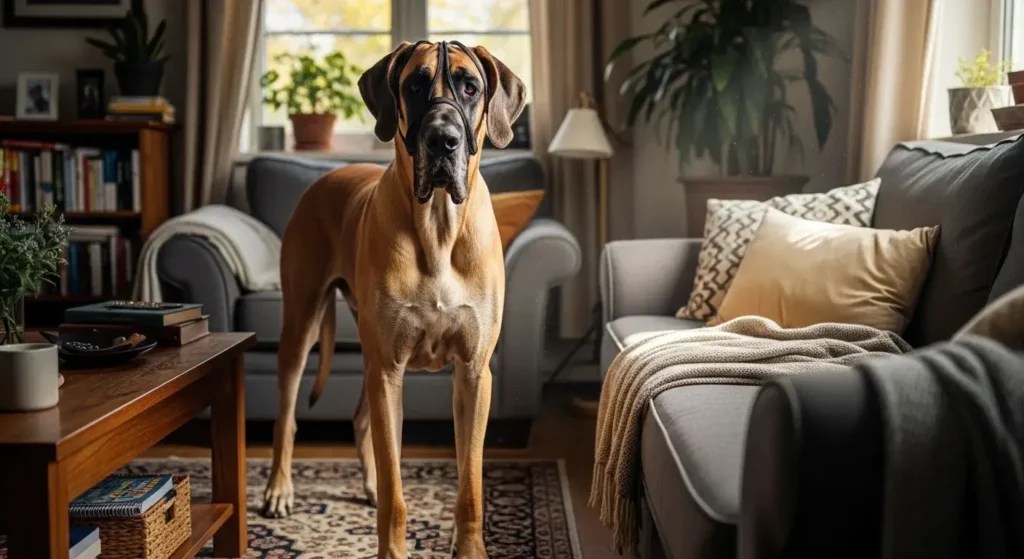
The Great Dane might seem like an unlikely choice for a first-time owner, they’re enormous, after all. But size and energy level are not the same thing.
Why they work for beginners:
- Naturally gentle, patient, and affectionate — often called “the world’s biggest lap dog”
- Moderate exercise needs (two 30-minute walks per day suffice)
- Low prey drive and generally non-reactive temperament
- Excellent with families, including children, due to their patient social behavior
What to watch for:
- Bloat (Gastric Dilatation-Volvulus / GDV): a life-threatening condition common in deep-chested breeds. Feed two smaller meals daily rather than one large one, and avoid vigorous exercise around mealtimes.
- Shorter lifespan: 7-10 years on average. This is an emotional reality to prepare for.
- Higher food and veterinary costs due to size.
Best for: Owners with a house and modest outdoor space, families seeking a calm large breed.
Quick Comparison Table of Calm Dog Breeds
| Breed | Energy Level | Trainability | Barking Tendency | Shedding Level | Best Living Environment |
|---|---|---|---|---|---|
| Cavalier King Charles Spaniel | Low-Medium | High | Low | Moderate | Apartment / House |
| Basset Hound | Low | Medium | Medium (baying) | Moderate | Suburban / House |
| Shih Tzu | Low | Medium-High | Low | Very Low | Apartment / Condo |
| Greyhound | Low | Medium | Very Low | Very Low | Apartment / House |
| Great Dane | Low-Medium | Medium-High | Low | Low-Moderate | House with space |
Are Calm Dogs Better for Apartments and Small Homes?
Yes — in most cases, quiet and gentle dog breeds are significantly better suited to apartment living than high-energy working or herding breeds.
Here’s why it matters practically:
- Noise complaints are one of the top reasons renters face lease violations. Low-barking breeds like the Greyhound and Shih Tzu dramatically reduce this risk.
- Destructive behavior: chewing, digging, excessive barking is directly correlated with unmet energy needs. A calm breed in a small space is far less likely to destroy furniture when you’re at work.
- Adaptability is high in companion breeds like the Cavalier and Shih Tzu, which were literally bred for indoor life.
Which Dog Breeds are Easiest to Handle for First-Time Owners?
Beyond the top 5, here are the traits that define the most beginner-friendly dog breeds overall:
- Easy trainability: responds well to positive reinforcement without needing a professional trainer immediately
- Friendly temperament: does not require extensive socialization to be safe around strangers
- Low maintenance: manageable grooming, feeding costs, and health complexity
- Emotional stability: not prone to anxiety, fear-based aggression, or over-reactivity
The breeds in our top 5 check most or all of these boxes, which is precisely why veterinary behaviorists consistently recommend them to new owners.
Pro Tips for Raising a Calm and Well-Behaved Dog
Even the calmest breed becomes difficult without proper guidance. At Pet Civic, here’s what our expert team recommends:
- Start training from Day 1. Basic commands — sit, stay, leave it, come — should begin the first week home, regardless of age.
- Establish a routine immediately. Dogs are creatures of habit. Consistent feeding, walk, and sleep schedules reduce anxiety and behavioral issues significantly.
- Mental stimulation matters as much as physical exercise. Puzzle feeders (brands like Kong and Outward Hound are widely available at PetSmart and Chewy.com in the USA) prevent boredom even in low-energy breeds.
- Socialize gradually but early. Introduce your dog to different environments, sounds, and people during the critical window of 8–16 weeks. Well-socialized puppies show lower rates of fear-based reactivity at maturity.
- Use positive reinforcement exclusively. Avoid punishment-based training with calm, sensitive breeds, it undermines trust and can create anxiety.
Real-world example: One Pet Civic reader in Austin, TX adopted a Cavalier and immediately enrolled in a 6-week puppy class through the AKC’s Canine Good Citizen program. By week 3, her dog was reliably sitting and staying — and she was sleeping through the night without worry.
Common Myths About Calm Dog Breeds
Let’s clear up a few misconceptions we hear constantly:
Myth #1: “Calm dogs don’t need exercise.” False. Every dog needs daily movement for physical health, mental stimulation, and behavioral balance. Even a Greyhound needs its 30-minute walk. The difference is degree, not absence.
Myth #2: “Small dogs are always calmer.” Absolutely not. Jack Russell Terriers, Miniature Pinschers, and Chihuahuas are small but notoriously high-energy and reactive. Size is not a proxy for temperament.
Myth #3: “A calm dog is a lazy or unhealthy dog.” Calm temperament is a genetic and behavioral trait not a symptom of illness. A healthy Basset Hound is genuinely just mellow. However, sudden changes in energy level in any dog warrant a veterinary visit.
How Do I Choose the Right Calm Dog for My Lifestyle?
Ask yourself these four questions before deciding:
- How much space do I have? → Small space: Shih Tzu, Greyhound, Cavalier. More space: Great Dane, Basset Hound.
- How many hours am I home per day? → Less than 6 hours: Basset Hound, Shih Tzu (more independent). More than 6 hours: Cavalier, Greyhound (enjoy companionship).
- What’s my activity level? → Low: Shih Tzu, Basset Hound. Moderate: Cavalier, Great Dane, Greyhound.
- Do I prefer to adopt or buy from a breeder? → Greyhound rescues and shelter Basset Hounds are widely available across the USA. If buying from a breeder, always verify AKC registration and health certifications.
Conclusion: Find the Perfect Calm Companion for Your Home
Choosing the right dog is one of the most meaningful decisions you’ll make as a pet owner and for first-timers, starting with one of the calmest dog breeds is genuinely one of the best investments in your future happiness together.
Whether it’s the affectionate Cavalier curled up beside you on the couch, the lazy-in-the-best-way Greyhound stretched across your floor, or the sweet Shih Tzu content with indoor life, each of these breeds offers something rare: a genuinely manageable first dog experience.
At Pet Civic, we believe every person deserves to experience the joy of dog ownership without feeling overwhelmed. The right match makes all the difference.
FAQ: People Also Ask
What is the calmest dog breed for a beginner owner?
The Cavalier King Charles Spaniel is widely considered the calmest and most beginner-friendly breed. Their gentle nature, moderate exercise needs, and high trainability make them ideal for first-time owners in virtually any living situation.
Are calm dog breeds good with kids?
Yes, breeds like the Basset Hound, Cavalier, and Great Dane are all known for exceptional patience with children. Always supervise interactions between any dog and young children regardless of breed.
What is the easiest low-maintenance dog for a first-time owner?
The Greyhound and Shih Tzu are arguably the lowest-maintenance calm breeds available. Greyhounds require minimal grooming and exercise. Shih Tzus require more grooming but have very low energy and thrive indoors.
Do calm dog breeds still need training?
Absolutely. Every dog – regardless of temperament – benefits from early obedience training. Calm breeds are generally easier to train, but consistency and positive reinforcement are still essential.
Can calm dogs live in apartments?
Yes. Breeds like the Greyhound, Shih Tzu, and Cavalier King Charles Spaniel are among the best calm dogs for apartments in the USA, particularly in urban markets like NYC, Chicago, and Los Angeles.