Ever felt your dog giving you that look? You know the one. You lean in for a hug and suddenly your sweet pup looks like they’re filing a mental complaint.
Here’s the truth: most dog owners accidentally annoy their dogs every single day. Not out of meanness. Just out of not knowing better.
Dogs and humans are wired differently. What feels like love and affection to us can feel overwhelming, confusing, or downright stressful to them. And since dogs can’t say “hey, I really hate when you do that,” they use body language instead. Most of us just miss it.
In this post, we’re diving into 15 everyday things dogs hate that humans keep doing. Some will surprise you, some will make you laugh, and a few might make you whisper a quiet apology to your pup.
Understanding Dog Behavior and Communication
Dogs speak through their bodies. A yawn isn’t always tiredness. A lip lick isn’t always hunger. Turning their head away might not be rudeness. These are all signs of stress, and according to animal behaviorist Turid Rugaas, these are called “calming signals.”
Common stress signals include:
- Yawning when there’s no reason to be tired
- Licking their lips repeatedly
- Turning their head or body away from you
- Whale eye (showing the whites of their eyes)
- A tucked tail or stiff body
The problem is, we misread these signals all the time. We think they’re being stubborn or dramatic. But often, they’re telling us they’re uncomfortable.
Learning to understand the body language of your dog is honestly one of the best things you can do as a pet owner. Small cues, when ignored, can build into bigger behavioral problems down the road.
Why Dogs Get Annoyed by Humans
Is It Really That Serious?
Yes. And no. It’s not like your dog secretly hates you. But there are patterns that genuinely stress them out.
Dogs are creatures of routine, calm energy, and clear communication. Humans, on the other hand? We’re loud, unpredictable, and emotionally messy. We change plans, raise our voices, and invade personal bubbles without thinking.
It’s not disobedience when your dog pulls away from a stranger. It’s discomfort.
The good news: once you understand what bothers them, fixing it is surprisingly easy.
15 Things Dogs Hate That Humans Keep Doing
1. Ignoring Their Personal Space
Does your dog actually like hugs?
Probably not as much as you think.
Hugging is a human thing. For dogs, being wrapped tightly around the body can feel threatening or suffocating. The ASPCA notes that many dogs tolerate hugs but don’t enjoy them, which is a big difference.
Face-to-face pressure, crowding, and looming over a dog are all things that make them uncomfortable. Try approaching from the side instead. It’s less intimidating, and your dog will likely seem more relaxed.
Tip: If your dog stiffens up or licks their lips when you hug them, they’re asking you to stop.
2. Staring Directly Into Their Eyes
Why does direct eye contact stress dogs out?
In dog language, a prolonged hard stare is a challenge. It’s a sign of dominance or aggression in the wild. When you lock eyes with a stranger’s dog or an anxious pup, you might be saying something you don’t mean.
Safe eye contact is soft, brief, and combined with a relaxed body. It’s actually one way to build trust over time with your own dog. But hard staring? That’s something dogs hate.
Quick fix: Look at your dog softly, blink slowly, and look away. It signals safety.
3. Talking Too Loud or Yelling
Can loud voices actually make dogs anxious?
Absolutely.
Dogs have much sharper hearing than humans. A study published in the journal Applied Animal Behaviour Science found that dogs exposed to yelling showed significantly higher levels of stress hormones. Loud tones, even when not directed at the dog, can trigger anxiety.
We’ve noticed this firsthand. When we visited a dog park in Austin, owners who spoke calmly had dogs that were noticeably more relaxed. Dogs with stressed, loud owners seemed restless and unsettled.
Calm, low voices work best. Talk to your dog like you’d talk to a sleepy baby, not a football stadium.
4. Inconsistent Rules
What happens when rules keep changing?
Confusion. Real, genuine confusion.
If your dog is allowed on the couch on Sunday but scolded for it on Monday, they don’t understand why. Dogs don’t have context for “it’s laundry day” or “company’s coming.” They just know: sometimes yes, sometimes no, and they have no idea which applies right now.
This is one of the most common mistakes dog owners make daily. Consistency builds trust. Inconsistency creates anxiety.
Simple rule: Whatever your house rules are, make sure everyone in the home sticks to them.
5. Forcing Interactions
Should you make your dog greet people?
Please, don’t.
Forcing a dog to meet strangers, other dogs, or even family members they don’t know well is stressful. It can trigger defensive behavior and erode trust in you as their safe person.
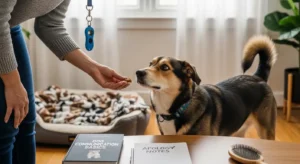
Let your dog choose when to approach. Create positive associations by letting the stranger offer a treat and ignore the dog otherwise. It feels slower, but it builds genuine comfort instead of manufactured tolerance.
6. Interrupting Their Sleep
Is waking up a dog really that bad?
More than people realize.
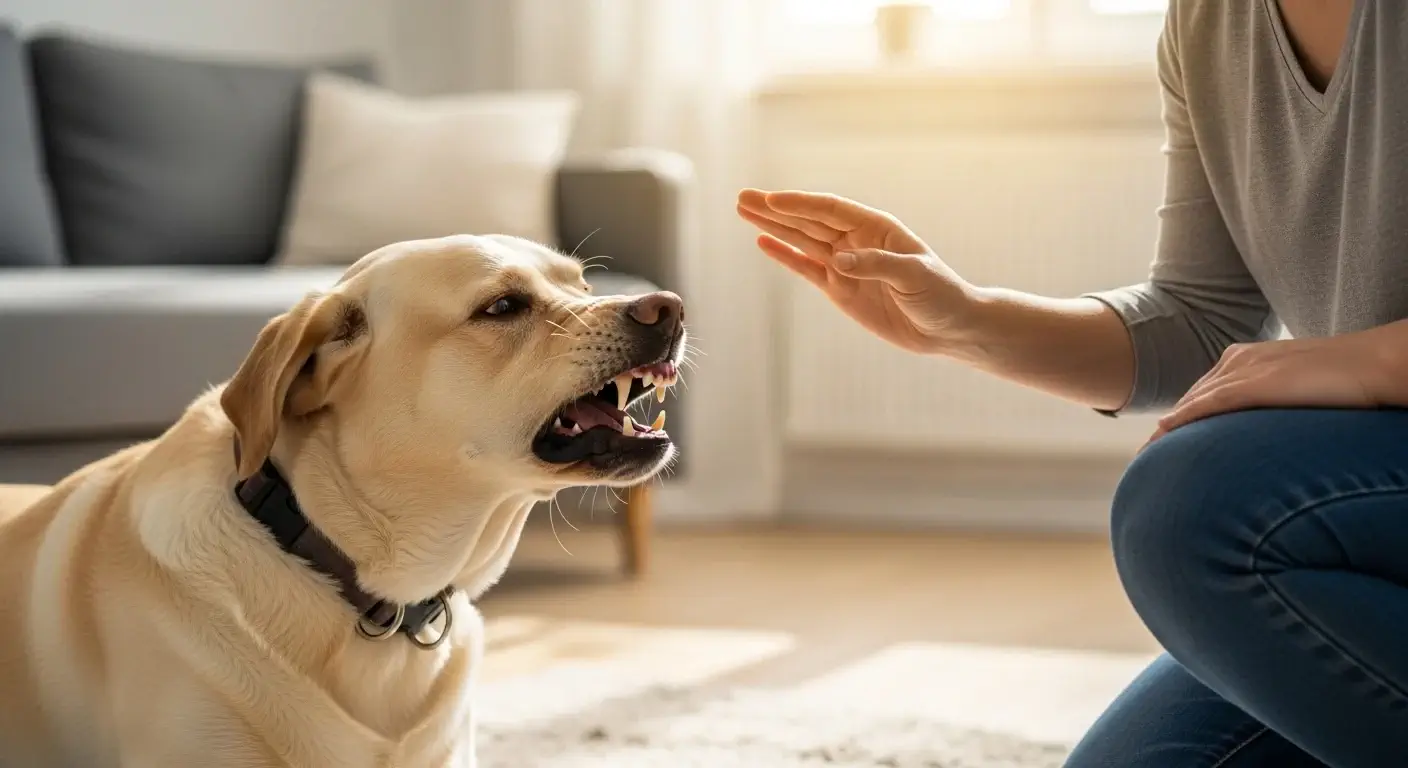
Dogs sleep 12 to 14 hours a day on average. Puppies and senior dogs sleep even more. Suddenly waking them, especially by touching their face or paws, can trigger a startle response that leads to snapping or growling. It’s instinct, not aggression.
Let sleeping dogs lie. It’s not just a saying.
7. Punishing Natural Behaviors
Why does punishing barking or digging make things worse?
Because those behaviors are natural.
Barking, digging, chewing, sniffing, and even humping are normal dog behaviors. Punishing them without providing an outlet just creates a confused, frustrated dog. A dog that can’t dig in your yard will dig in your couch.
Instead, redirect. Give them a digging box, a proper chew toy, or a snuffle mat. Channel the energy, don’t just shut it down.
8. Pulling on the Leash Constantly
Is leash tension actually stressful for dogs?
Yes, and it’s a cycle.
You pull, they pull back. Their body is in a constant state of physical resistance, which mirrors emotional stress. Tight leashes also restrict sniffing, which is how dogs mentally process the world.
Teaching loose leash walking takes time, but it’s worth it. Your walks will become more relaxed for both of you. Consider working with a trainer if you’re not sure where to start. Choosing the right dog trainer makes a huge difference here.
9. Bathing Them Too Frequently
How often should you really bathe your dog?
Most dogs only need a bath every 4 to 6 weeks, depending on their coat. Bathing too often strips the natural oils from their skin and coat, leading to dryness, itching, and irritation.
Many dogs also just flat out dislike baths. The forced restraint, the water, the drying, it’s a lot. Keep bath time brief, use dog-safe products, and reward heavily throughout.
10. Dressing Them Uncomfortably
Is putting clothes on dogs really a problem?
For some dogs, yes.
If a coat or sweater restricts movement, pulls on the legs, or makes a dog feel trapped, they’ll be miserable wearing it. Signs of discomfort include freezing in place, trying to shake the item off, or acting defeated.
Some dogs genuinely need weather protection, especially small breeds in cold climates. But if your dog fights every sweater, maybe the sweater isn’t for them. It’s for you.
11. Not Letting Them Sniff During Walks
Why is sniffing so important to dogs?
Sniffing is to dogs what scrolling Instagram is to us. It’s how they gather information about the world.
According to Alexandra Horowitz, a dog cognition researcher at Barnard College, a dog’s sense of smell is 10,000 to 100,000 times more acute than ours. Walks that are purely about exercise and speed shortchange your dog’s mental needs.
Slow down. Let them sniff. A 20-minute sniff walk is more satisfying for your dog than a brisk 45-minute march with no stops.
Looking for more ways to keep your dog mentally engaged? These indoor dog games are a great option too.
12. Leaving Them Alone Too Long
How long is too long to leave a dog alone?
Most experts suggest no more than 4 to 6 hours for adult dogs. Puppies and senior dogs need even shorter intervals.
Dogs are deeply social animals. Prolonged isolation leads to separation anxiety, destructive behavior, and genuine emotional distress. It’s not a drama. It’s loneliness.
If your schedule keeps you away for long stretches, check out tips on how to keep your dog entertained while at work. Dog walkers, puzzle feeders, and doggy daycare can all help.
13. Sudden Changes in Routine
Why do dogs struggle when schedules change?
Because routine is security.
Dogs don’t just like routine, they depend on it. Feeding times, walk times, bedtimes, these form a mental map of the day. When that map changes suddenly, dogs feel unsafe. It’s one of the quieter reasons why rescue dogs struggle after rehoming.
If changes are coming, ease into them gradually over a few days rather than flipping the switch overnight.
14. Overusing Commands Without Training
What happens when you repeat commands your dog doesn’t understand?
Nothing. And that’s the problem.
Saying “sit, sit, SIT” over and over doesn’t teach your dog anything. It just teaches them to wait for the fifth repetition. If a command hasn’t been properly trained, repeating it louder won’t help.
Train first. Command later. One cue, said once, with a clear reward. That’s how it clicks. Working with a trainer you trust matters here, so choose the right dog trainer if you need help building that foundation.
15. Ignoring Their Body Language
What are the most commonly missed dog stress signals?
We touched on this earlier, but it deserves its own spot on the list.
Yawning, turning away, lip licking, whale eye, a low or tucked tail, these all mean something. When humans ignore them, dogs feel unheard. Over time, subtle signals escalate to growling, snapping, or full behavioral shutdowns.
Your dog is talking to you all day. Learning to listen changes everything.
How to Stop Annoying Your Dog: Actionable Tips
What Can I Do Differently Starting Today?
A lot, actually. None of it is complicated.
Observe before you react. Watch your dog’s body language before jumping into interaction. If they’re tense, give them space.
Build and keep a routine. Feeding, walks, playtime at consistent times. Predictability = security for dogs.
Use positive reinforcement. Reward the behavior you want. Skip the punishment for things they don’t understand. This builds trust faster than anything else.
Give them space. Not every dog wants to be touched all the time. Respect the “not right now” signals.
Stay calm. Your energy directly impacts their energy. Anxious owner, anxious dog. Calm owner, calmer dog. It’s that simple.
Create a stress-free environment. Reduce loud noises, give them a safe retreat space, and don’t force interactions they’re not comfortable with.
Small adjustments, done consistently, create big changes in how your dog feels day to day.
Building a Better Relationship With Your Dog
How Do You Actually Build Trust With a Dog?
Not through control. Through understanding.
Trust is earned in the small moments. When you respect their signals, they learn you’re safe. When you keep your promises (same walk time, same feeding time), they feel secure. When you stop making them do things that scare them, they start to relax.
The bond you want with your dog doesn’t come from dominance or discipline. It comes from patience and consistency. It comes from learning their language.
And honestly, if you’ve ever wondered how to apologize to a dog after a rough moment, the best apology is just doing better next time.
Your dog is already rooting for you.
Conclusion
Most of the things on this list aren’t done out of cruelty. They’re done out of love, just misdirected love.
The good news is that once you know better, you can do better. Watch your dog’s signals. Keep your energy calm. Stay consistent. Give them space when they need it.
Your dog isn’t asking for perfection. They’re asking for understanding.
And now that you know 15 things dogs hate that humans keep doing, you’re already ahead of most pet owners. That matters. Your dog feels the difference, even if they can’t say so.
FAQs
What do dogs hate the most about their owners?
Most dogs are bothered by loud voices, inconsistent rules, and being forced into interactions they didn’t choose. Ignoring their stress signals is probably the biggest issue of all.
How can I tell if my dog is annoyed or unhappy?
Watch for yawning out of context, lip licking, turning away, a tucked tail, or stiff body posture. These are all common stress signals that often get missed.
What are common mistakes dog owners make daily?
Inconsistency with rules, not allowing enough sniff time on walks, leaving dogs alone too long, and repeating commands without proper training are all very common.
Do dogs get upset when you hug them?
Many dogs tolerate hugs but don’t enjoy them. If your dog stiffens, turns away, or licks their lips during a hug, those are signs of discomfort. Side-by-side affection tends to be better received.
How do I stop unknowingly annoying my dog?
Start by learning basic dog body language. Add routine, use positive reinforcement, and give your dog the choice to engage rather than forcing it.
Why does my dog ignore me sometimes?
It’s usually not stubbornness. Mixed signals, stress, or a command that hasn’t been properly trained are the most common reasons. Check your consistency and your dog’s stress level before assuming they’re being difficult.