It’s a beautiful Sunday morning. You’ve got your coffee, your sneakers, and big plans for a peaceful neighborhood stroll with your Golden Retriever, Buddy.
Then Buddy sees a squirrel.
Suddenly, you’re not walking a dog. You’re parasailing.
Sound familiar? You’re not alone. Golden Retrievers are one of America’s most loved breeds (ranked #3 by the AKC, consistently), and for good reason. They’re sweet, goofy, and full of love. But they’re also bundles of pure, unfiltered energy, and that energy really shows up on walks.
They pull. They zigzag. They stop to sniff every single blade of grass like it holds the secrets of the universe.
The good news? Calm, enjoyable walks aren’t just a dream. They’re totally achievable with the right approach, a little patience, and some consistency.
By the end of this guide, you’ll know exactly how to walk a Golden Retriever without turning it into a full-body workout (unless you want that, no judgment). Whether you’ve got a bouncy pup or a stubborn adult dog, these tips will make walks something both of you actually look forward to.
Let’s do this. 🐾
Understanding Golden Retriever Walking Behavior
So why does your Golden Retriever act like every walk is the most exciting event in history?
Honestly, because it kind of is, for them.
Golden Retrievers were originally bred as working hunting dogs. They’re wired to move, explore, and engage with the world around them. All that enthusiasm you see at the front door? That’s centuries of instinct doing its thing.
Their temperament is friendly, curious, and high-energy by nature. They love people, love smells, love other dogs, and basically love everything. Which is adorable, until they’re dragging you past your neighbor’s rose bushes at full speed.
Why do they pull so much?
Simple: it works. If your dog pulls and you follow, they’ve just learned that pulling = getting where they want to go. Dogs move toward what rewards them. It’s not stubbornness, it’s just smart dog logic.
This is actually rooted in something called leash reactivity and reward-based behavior. According to the American Kennel Club, dogs repeat behaviors that get them what they want. So if pulling forward gets them to that fire hydrant faster, they’ll keep doing it.
Learning to understand your dog’s body language also helps here. A lot of pulling starts with subtle excitement signals most owners miss entirely.
The most important mindset shift? Calm walking is a trained behavior, not a default one. Your Golden isn’t going to magically settle down. But with the right techniques, you can absolutely get there.
Set realistic expectations: progress over perfection, always.
Essential Gear for Walking a Golden Retriever
Does gear really make that big a difference for walks?
Absolutely. Using the wrong equipment is like trying to drive in the snow with summer tires. You’ll manage, but it won’t be pretty.
Here’s what you actually need:
Leash: Standard vs Retractable
Skip the retractable leash. Seriously. They give your dog too much freedom too early, teach them that pulling extends their range, and offer you very little control. A standard 4–6 foot flat leash is your best friend, especially during training.
Harness vs Collar: What Works Better?
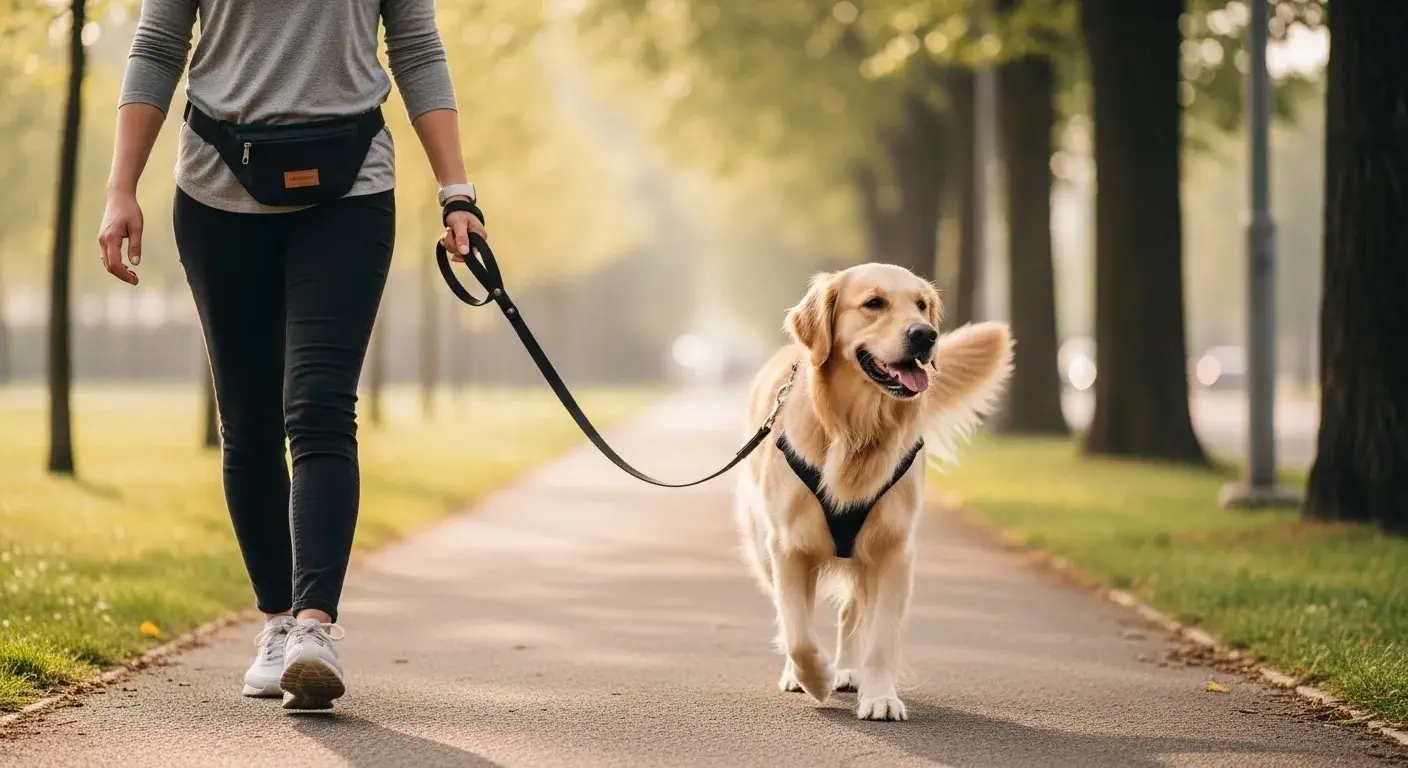
For a large, energetic dog like a Golden Retriever, a front-clip harness is a game changer. It redirects your dog toward you when they pull forward, instead of letting them power through like a sled dog.
Collars alone put pressure on the neck and throat, which isn’t great for strong pullers. The ASPCA actually recommends harnesses for dogs that pull, as they’re safer and give you better control without causing discomfort.
Here’s a quick gear checklist for beginners:
- Leash: 4-6 foot standard leash (nylon or leather)
- Harness: Front-clip harness for better steering
- Treats pouch: Keep rewards handy during training walks
- Poop bags: Always. No exceptions. Be a good neighbor.
- ID tag: Just in case Buddy decides to go rogue
Getting your gear right from the start makes building a consistent dog walking routine for beginners so much easier.
Preparing Your Golden Retriever Before the Walk
Does what happens before the walk actually matter?
More than most people realize. A lot of owners unknowingly set themselves up for a chaotic walk before they even step outside.
Here’s the scene: your Golden is spinning in circles, barking, crashing into the door. You clip the leash on mid-chaos just to calm things down. And just like that, you’ve accidentally rewarded the hyper behavior. Now your dog knows that going crazy = walk time. Oops.
The fix is a simple pre-walk ritual. It takes less than two minutes and it genuinely changes everything.
Try this before every single walk:
- Ask for a sit. Don’t reach for the leash until your dog is sitting calmly. No sit, no walk. Simple as that.
- Make eye contact. A few seconds of calm eye contact builds focus. You want their attention on you, not the door.
- Wait at the doorway. Don’t let your dog bolt outside. Step out first, then invite them through calmly.
- Keep your own energy calm. Dogs pick up on your vibe instantly. If you’re rushing and flustered, they’ll match that energy.
Think of it like this: the walk starts the moment you pick up the leash. How you begin sets the tone for everything that follows.
Starting calm means staying calm. It’s really that straightforward.
Step-by-Step Guide: How to Walk a Golden Retriever
So what does a calm, structured walk actually look like in practice?
Here’s your full step-by-step breakdown. Follow these in order, especially when you’re just starting out.
1. Start with a Calm Exit
The front door is where most walks fall apart immediately.
Your Golden is vibrating with excitement. You open the door and whoosh, they’re gone. You’re just the human attached to the leash at this point.
Instead, pause at the door. Ask for a sit. Wait for stillness. Then calmly open the door and step out first. Invite your dog out only when they’re settled.
This one small habit teaches your dog that patience is what opens doors. Literally.
2. Use the Right Leash Position
Where your dog walks matters as much as how they walk.
Your Golden should walk beside you, ideally at your left hip. Not ahead, not behind, right next to you. This position keeps you in the leadership role naturally.
Keep the leash relaxed with a slight J-shape. A tight, constantly pulled leash actually signals tension to your dog and can make them more reactive. Loose leash = calm communication.
If your dog creeps ahead, stop. Don’t yank. Just stop walking completely and wait. Movement is the reward, and they learn fast.
3. Set the Walking Pace
Who decides how fast you walk? You do. Always.
This sounds obvious but it’s easy to let your dog dictate speed, especially when they’re excited. You set the pace, you choose the direction, you decide when to stop.
If your dog pulls forward, stop immediately. Stand still like a tree. No yelling, no jerking the leash. Just zero forward movement until the leash relaxes. Then walk again.
It feels slow and repetitive at first. That’s normal. You might only make it halfway down the block in your first few sessions. That’s perfectly fine.
4. Reward Calm Behavior
Here’s where a lot of owners miss a huge opportunity.
Most people only react when their dog does something wrong. But catching your dog doing something right and rewarding it immediately? That’s where the magic happens.
Every time your Golden walks calmly beside you, say “yes!” or “good boy/girl!” and pop a small treat. Keep treats small (think pea-sized) so you can reward frequently without overfeeding.
Over time, your dog starts to figure out: staying beside this human = treats and praise. Walking ahead gets me nowhere. Literally.
Some owners also use a clicker for precise timing. Both work great. Consistency matters more than the specific method.
5. Handle Distractions Smartly
Other dogs. Squirrels. That one flapping plastic bag. Distractions are everywhere.
When your Golden locks onto something and starts pulling, don’t freeze or panic. Calmly say their name, turn and walk the opposite direction, and reward them when they follow your lead.
You’re essentially teaching them: when in doubt, check in with me.
For bigger distractions like other dogs, increase distance first. Don’t push your dog past their threshold. If they’re over-excited, they literally cannot learn in that moment. Create space, regain calmness, then try again.
With enough repetitions, your walk starts to feel less like a tug-of-war and more like an actual dance. You move, they follow, you reward, repeat. 🎭
Leash Training a Golden Retriever
When should you actually start leash training, and how do you do it without losing your mind?
Sooner than you think. And calmer than you’d expect.
A lot of new owners wait until their Golden is pulling like a freight train before they start training. By then, bad habits are already baked in. The earlier you start, the easier it is for everyone.
Start Indoors First
Before you even hit the sidewalk, practice inside your home. Clip the leash on and just walk around your living room. Let your dog get used to the feeling of the leash without the chaos of outside distractions.
No squirrels in your kitchen. Probably.
Once they’re comfortable indoors, move to your backyard or driveway. Then a quiet street. Then busier areas. Gradually increase the distraction level as your dog improves.
Keep Sessions Short
Ten to fifteen minutes of focused leash training beats an hour of chaotic walking every single time. Short sessions keep your dog engaged and prevent frustration on both ends of the leash.
Consistency is Everything
Same rules, every walk, every day. If you allow pulling on Tuesday, don’t be surprised when it happens on Thursday. Dogs thrive on predictability.
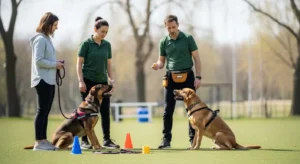
Finding a good dog trainer can also fast-track your leash training significantly, especially if you’re feeling stuck.
Puppy vs Adult Leash Training
Does it work differently depending on your dog’s age?
Yes, a little.
Golden Retriever Puppies:
- Start as early as 8 weeks old with basic indoor leash introduction
- Short attention spans mean sessions should be 5 to 10 minutes max
- They learn incredibly fast but need lots of patience and repetition
- Keep it fun and positive, puppies should love the leash, not fear it
Adult Golden Retrievers:
- May have years of pulling habits already formed
- Takes longer to retrain, but it is absolutely possible
- Stay consistent and don’t expect overnight results
- Celebrate small wins, even one calm block is progress
Whether you’re starting with a fluffy 8-week-old pup or a 4-year-old who’s been running the show, leash training works. It just requires you to be more consistent than your dog is stubborn. And trust me, you’ve got this.
How to Stop a Golden Retriever from Pulling on the Leash
Why does your Golden Retriever pull so much, and how do you actually fix it?
Let’s be real. Pulling is probably the number one complaint from Golden Retriever owners across every dog forum, Reddit thread, and Facebook pet group out there.
And it makes sense. These dogs are strong, enthusiastic, and built to move. But pulling doesn’t have to be your forever reality.
Why Pulling Happens
Your dog pulls because it has always gotten them where they want to go. It’s not dominance, it’s not defiance. It’s just a habit that got reinforced over time, probably without you even realizing it.
Techniques That Actually Work
1. The Stop-and-Wait Method The moment your dog pulls forward, you stop completely. No movement, no reaction, just stillness. Wait until the leash goes slack and your dog looks back at you. Then walk again. Repeat every single time.
It feels tedious at first. Stick with it.
2. The Change Direction Method The second your dog pulls, calmly turn and walk the opposite direction. No warning, no drama. Your dog quickly learns that pulling means losing ground, not gaining it.
This one works especially well for easily distracted Goldens who are chasing every scent on the block.
3. Reward the Loose Leash Every time your dog walks without pulling, even for just a few steps, reward immediately. Treat, praise, or both. You’re building a new habit to replace the old one.
Mistakes to Avoid
- Jerking the leash hard: This can hurt your dog and creates anxiety, not learning
- Shouting or repeating commands: Saying “heel heel heel heel” just becomes background noise
- Giving in and following when they pull: Even once teaches them it still works sometimes
If you’ve accidentally reinforced bad walking habits and your dog seems confused or shut down, knowing how to apologize to your dog and reset the energy can actually help rebuild trust before your next session.
Patience plus consistency beats frustration every single time. Promise.
Walking a Golden Retriever Puppy vs Adult Dog
Should you walk a Golden Retriever puppy the same way you’d walk an adult dog?
Not quite. Age makes a bigger difference than most people expect.
Walking a Golden Retriever Puppy
Puppies are like tiny tornadoes with adorable faces. They have huge energy bursts followed by sudden crashes. Their joints and bones are still developing, so long walks can actually do more harm than good at this stage.
A general rule of thumb recommended by many vets: 5 minutes of walking per month of age, up to twice a day. So a 3-month-old puppy? About 15 minutes max per session.
Keep puppy walks short, fun, and training-focused. This is prime learning time. Every walk is a chance to build good leash habits that will stick for life.
Don’t worry if your puppy stops constantly to sniff everything. That’s normal and actually healthy for their development.
Walking an Adult Golden Retriever
Adult Goldens are a different story. They have the stamina, the strength, and the enthusiasm to go the distance.
Walks for adults should be longer, more structured, and exercise-focused. Think brisk 30 to 45 minute walks rather than slow, sniff-heavy strolls.
The key differences to keep in mind:
- Attention span: Puppies get distracted and tired faster, adults can maintain focus longer
- Energy levels: Adults need more physical output to feel satisfied
- Training expectations: Hold adults to a higher standard of leash manners over time
Wherever your Golden is in life, meet them where they are. Then build from there.
Ideal Walking Routine for Golden Retrievers
How much walking does a Golden Retriever actually need every day?
More than a quick lap around the block, that’s for sure.
Golden Retrievers are high-energy working dogs at heart. Without enough daily exercise, that energy finds other outlets. Usually your couch cushions or your favorite shoes.
Daily Walking Duration by Age
Here’s a simple age-based guide to keep things easy:
| Age | Recommended Walk Time |
|---|---|
| 8–16 weeks (puppy) | 5–15 minutes, twice daily |
| 4–6 months | 20–25 minutes, twice daily |
| 6–12 months | 30–40 minutes, twice daily |
| 1–7 years (adult) | 45–90 minutes daily total |
| 8+ years (senior) | 20–30 minutes, gentle pace |
According to the AKC, most healthy adult Golden Retrievers need at least 60 minutes of exercise daily. Splitting that into two walks works better than one long session for most dogs and owners.
Morning vs Evening Walks: Which is Better?
Honestly? Both. But here’s a quick breakdown:
- Morning walks burn off overnight energy and set a calm tone for the day
- Evening walks help your dog wind down and often lead to better sleep
If you can only do one, morning tends to work better for high-energy dogs like Goldens. You’ll notice a calmer, more settled dog for the rest of the day.
Don’t Forget Mental Exercise
Physical walks alone aren’t always enough. Golden Retrievers are smart dogs and need mental stimulation too. Mix in some sniff breaks, practice commands during walks, or explore a new route occasionally.
A mentally tired Golden is a happy, well-behaved Golden. Trust the process.
Common Mistakes to Avoid During Walks
What are the most common walking mistakes Golden Retriever owners make without even realizing it?
Quite a few, actually. And most of them are super easy to fix once you know what to look for.
1. Being Inconsistent with Rules
This is the big one. If pulling is not allowed on Monday but you let it slide on Wednesday because you’re tired, your dog gets confused. Confused dogs revert to whatever worked before. Which was pulling.
Same rules, every single walk, no exceptions.
2. Letting Your Dog Lead
If your Golden is consistently ahead of you, choosing the route and setting the pace, they think they’re in charge. And a dog who thinks they’re in charge is a dog who doesn’t listen.
You lead. Always.
3. Skipping the Pre-Walk Ritual
Rushing out the door without asking for calm behavior first? You’re starting the walk already behind. Those two minutes of pre-walk patience setting make a massive difference.
4. Overexercising Puppies
This one comes from a good place but can cause real harm. Pushing a young puppy on long walks strains their developing joints and can cause long-term issues. Stick to the age-based guidelines from Section 9.
5. Inconsistent Gear
Switching between a harness one day and a regular collar the next confuses your dog and slows training progress. Pick your gear and stick with it during the training phase.
Small fixes. Big results.
Pro Tips for Calm and Enjoyable Walks
Want to take your Golden Retriever walks from just okay to genuinely great?
These are the little extras that make a real difference over time.
1. Build in Sniff Breaks
Letting your dog stop and sniff isn’t slacking off. It’s actually one of the best forms of mental stimulation for dogs. Studies from animal behavior researchers suggest that sniffing can tire a dog out more efficiently than pure physical exercise.
Give your Golden a cue like “go sniff” at designated spots. Then a cue like “let’s go” to resume walking. Structure the sniff breaks rather than letting them happen randomly. Your dog gets the mental workout, you stay in control. Win-win.
2. Keep Walks Structured but Not Boring
Vary your routes occasionally. New smells, new sights, and new sounds keep your Golden mentally engaged and excited about walks in a healthy way. Same route every single day can actually make high-energy dogs more reactive over time.
3. Practice Commands Mid-Walk
Use the walk itself as a training opportunity. Ask for a sit at crosswalks. Practice “leave it” when you pass tempting distractions. Reward focus and attention generously.
You’re basically turning every walk into a fun, low-key training session without it feeling like work for either of you.
4. Stay Patient and Consistent
Progress isn’t always linear. Some days your Golden will walk like a professional show dog. Other days they’ll act like they’ve never seen a leash in their life.
That’s completely normal. Don’t get discouraged.
5. Turn Walks into Bonding Time
Talk to your dog during walks. Yes, really. Your voice is calming and familiar to them. A relaxed, chatty owner usually has a more relaxed, attentive dog walking beside them.
Walks aren’t just exercise. They’re some of the best quality time you’ll spend with your Golden. Enjoy them.
Conclusion
So, is calm walking with a Golden Retriever actually achievable?
One hundred percent yes. But like anything worth having, it takes a little time and a lot of consistency.
You’ve now got everything you need: the right gear, the right mindset, a solid step-by-step approach, and the pro tips that actually move the needle. Calm walks aren’t about having a perfect dog. They’re about building a rhythm together, one walk at a time.
Some days will feel like progress. Some days Buddy will spot a squirrel and completely forget everything he ever learned. That’s just Golden Retriever life, and honestly, it’s part of the charm.
Stay consistent. Stay patient. Celebrate the small wins.
Because here’s the truth: every calm step your Golden takes beside you is proof that your work is paying off. Keep showing up, keep rewarding the good stuff, and those peaceful neighborhood strolls you dreamed about? They’re closer than you think.
Now grab that leash. Adventure awaits. 🐾
Frequently Asked Questions (FAQs)
1. How do I stop my Golden Retriever from pulling on the leash?
Use the stop-and-wait method consistently. The moment pulling starts, stop completely. Only move forward when the leash relaxes. Reward loose leash walking generously with treats and praise. Avoid jerking the leash or repeating commands loudly. Consistency over several weeks is what creates lasting change.
2. How long should you walk a Golden Retriever daily?
Most healthy adult Golden Retrievers need between 45 to 90 minutes of exercise daily. Splitting this into two walks works well for most owners. Senior dogs and puppies need shorter, gentler sessions based on their age and health condition.
3. What is the best age to start leash training a Golden Retriever puppy?
Start as early as 8 weeks old. Begin with a basic indoor leash introduction before tackling outdoor distractions. Keep early sessions to 5 to 10 minutes maximum. The earlier you start building good habits, the easier everything becomes down the road.
4. Why does my Golden Retriever get so excited during walks?
It’s completely natural. Golden Retrievers are high-energy, social, and curious dogs bred for active work. The sights, smells, and sounds of the outside world are genuinely thrilling for them. The good news is that excitement is totally manageable with consistent training and proper pre-walk rituals.
5. Is a harness better than a collar for walking a Golden Retriever?
Yes, especially for strong pullers. A front-clip harness gives you better steering control, reduces strain on your dog’s neck and throat, and makes loose leash walking much easier to teach. For large, energetic dogs like Goldens, a harness is almost always the smarter choice.
6. How can I walk my large dog calmly without stress?
Start every walk with a calm pre-walk ritual. Use a front-clip harness and standard leash. Set the pace and direction yourself. Reward calm behavior frequently. Build in structured sniff breaks for mental stimulation. And most importantly, stay consistent. Calm walks are built through repetition, not luck.