
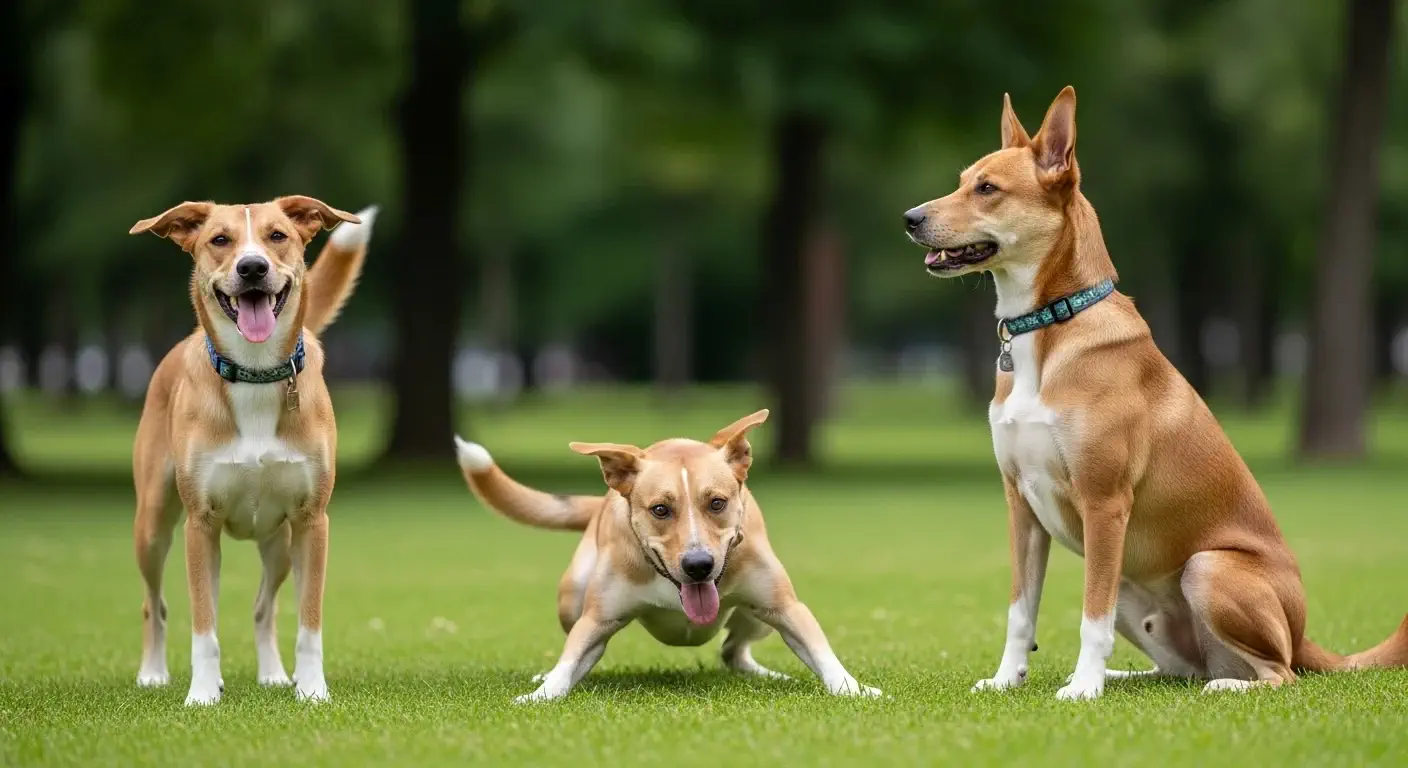
Dogs Speak Without Words
You walk through the front door after a long day. Before you even drop your keys, your dog is already spinning in circles, tail going a million miles a minute. Pure joy, right?
But then, at the vet’s office, that same dog tucks his tail, flattens his ears, and looks like he’s trying to disappear into the floor. Same dog. Totally different story.
Here’s the thing: your dog is always talking to you. He’s just not using words.
Dogs communicate almost entirely through body language. Every ear twitch, tail movement, and shift in posture is a message. And once you start understanding dog behavior, it’s like suddenly getting subtitles for a movie you’ve been watching for years.
Learning dog body language meanings isn’t just a fun party trick either. It actually helps you:
- Bond more deeply with your dog
- Avoid misunderstandings that stress both of you out
- Create a calmer, happier home for your whole family (including the furry one)
In this guide, we’re breaking down everything: tail wags, ear positions, posture, facial expressions, and more. By the end, you’ll be practically fluent in dog.
Why Understanding Dog Body Language Matters
So why should you actually bother learning this stuff? Great question.
1. Dogs Communicate Through Their Bodies
Think about it this way. Dogs don’t have Instagram. They can’t text you “hey, I’m stressed right now.” Instead, they use their whole body to express themselves.
Their main communication tools are:
- Ears (forward, back, flat)
- Tail (wagging, tucked, stiff)
- Posture (relaxed, crouched, stiff)
- Eyes (soft, wide, avoiding contact)
- Facial expressions (yawning, lip licking, showing teeth)
Every single one of these signals carries meaning. Miss them, and you’re basically ignoring half the conversation.
2. Preventing Misinterpretation
Here’s where it gets real. A lot of people assume a wagging tail always means a happy dog. But that’s not always true.
A stiff, high-speed wag can actually signal tension or alertness. Misreading that signal could put you or someone else in an uncomfortable situation.
According to the American Veterinary Medical Association (AVMA), most dog bites happen because people miss early warning signs. Understanding dog body language meanings can genuinely prevent those situations.
3. Building Trust with Your Dog
When you respond correctly to what your dog is telling you, something magical happens. They start to trust you more.
Imagine if you kept telling your friend you were tired, but they kept dragging you to parties anyway. You’d stop trusting them pretty fast, right?
Same goes for your dog. When you notice they’re uncomfortable and actually do something about it, they feel safe with you. That’s the foundation of a great human-dog relationship.
Understanding Dog Tail Language
If dogs had a megaphone, it would probably be their tail. It’s one of the most expressive parts of their whole body. But it’s also one of the most misunderstood.
Let’s break it all down.
1. Why Does My Dog Wag Its Tail?
This is honestly one of the most googled questions by dog owners, and for good reason.
Your dog wags their tail for several reasons:
- Excitement (you just grabbed the leash, walk time!)
- Greeting someone they love (you, the neighbor, the mailman they’ve decided is their best friend)
- Anticipation (dinner is being poured into the bowl)
- Alertness (something outside caught their attention)
But here’s the key thing most people miss: context and speed matter just as much as the wag itself.
A wag at the dog park means something totally different from a wag when a stranger approaches your yard at midnight.
2. Different Types of Tail Wags
Not all wags are created equal. Here’s your quick cheat sheet:
Fast, wide wag This is the classic happy dog move. Tail going side to side like a helicopter, sometimes taking the whole back half of the body with it. Pure excitement and joy.
Slow, low wag This one’s more cautious. Your dog is sizing up a situation. Think of it as “I’m not sure about this yet.”
High, stiff wag This looks like excitement but it’s actually a sign of alertness or confidence. Sometimes even a challenge. If you see this around unfamiliar dogs, pay attention to the rest of their body too.
Low wag or tucked tail This is your dog saying “I’m nervous” or “I don’t feel safe right now.” You might see this at the vet, during thunderstorms, or around unfamiliar people.
3. Tail Position and What It Means
Beyond the wag itself, where your dog holds their tail tells a whole story.
- High tail: Confident, alert, or dominant. Your dog is feeling in charge.
- Neutral tail: Relaxed and content. This is your dog just chilling on a Sunday afternoon.
- Low tail: Uncertainty or mild stress. Something’s got them a little unsettled.
- Tucked tail: Fear or submission. Full-on “please don’t come any closer” mode.
Imagine: you’re at a Fourth of July backyard barbecue. Your dog is trotting around with a neutral, relaxed tail, sniffing burgers and making friends. Happy camper.
Then fireworks go off. Tail immediately drops and tucks between the legs. That’s your dog telling you loud and clear: “I need help right now.”
Knowing that difference? That’s everything.
What Dog Ear Positions Reveal
If the tail is your dog’s megaphone, then the ears are their emotional antenna. They’re constantly adjusting, rotating, and shifting to pick up both sounds and feelings.
And yes, they’re telling you something every single time.
1. Forward Ears
When your dog’s ears perk forward or point toward something, they’re locked in. This usually means:
- Curiosity (“What is that weird noise coming from the kitchen?”)
- Alertness (“There’s definitely a squirrel in that bush.”)
- Full attention (“Did you just say the word ‘treat’?”)
You’ve probably seen this a hundred times. You make a funny noise, and your dog’s ears shoot straight forward while their head tilts to the side. That’s them trying to process something new and interesting.
It’s honestly one of the cutest dog body language meanings out there.
2. Relaxed Ears
Relaxed ears sit naturally against the sides of the head. Not pulled back, not perked up. Just… easy.
This is your dog at their most comfortable. You’ll see this when they’re:
- Lounging on the couch after a walk
- Curled up next to a family member they love
- Enjoying a calm afternoon nap in a sunny spot
If your dog’s ears are relaxed around you, take it as a compliment. They feel completely safe in your presence.
3. Flattened Ears
This one’s important to recognize. When a dog pulls their ears flat against their head, it usually signals:
- Nervousness or anxiety
- Fear of something in their environment
- Submission toward a person or another animal
Think about the first time you introduced your dog to a new pet. Or when a loud thunderstorm rolled through at 2 a.m. Ears flat, body low, eyes wide. That’s a dog saying “I am not okay right now.”
It’s also worth noting that some dogs flatten their ears when they’re being scolded. They’re not being dramatic. They genuinely feel stressed and are trying to appear as non-threatening as possible.
A quick note here: ear shapes vary a lot by breed. A Basset Hound’s floppy ears won’t perk up the same way a German Shepherd’s will. So always factor in your dog’s natural ear shape when reading their signals. Understanding dog behavior means knowing your specific dog too.
Dog Posture and Body Stance Explained
Ears and tail are great. But if you really want the full picture, you have to zoom out and look at your dog’s entire body.
Posture is basically your dog’s emotional status update. And it’s broadcasting 24/7.
1. Relaxed Body
A relaxed dog looks… well, relaxed. It sounds obvious, but here’s what to actually look for:
- Loose, wiggly muscles (no stiffness anywhere)
- Tail in a natural, neutral position
- Soft, squinty eyes
- Mouth slightly open, maybe a little panting
Picture your dog sprawled out on the living room rug on a lazy Saturday morning. Belly up, legs flopped everywhere, looking completely unbothered. That right there is a dog who feels 100% safe and content.
This is the goal. This is what a happy home environment looks like for your pup.
2. Play Bow
This one is absolutely iconic and honestly adorable every single time.
Front legs stretched all the way forward and down. Rear end up in the air. Tail wagging like crazy. Maybe a little bark or playful yip thrown in for good measure.
This is your dog’s universal invitation to play. It’s their way of saying “I come in peace, let’s have fun.”
You’ll see this at the dog park, in the backyard, or when your dog is trying to convince you to stop working and throw the ball already. It’s one of the clearest and most positive dog body language meanings you’ll ever spot.
3. Stiff Body
This one deserves your attention.
When a dog suddenly goes stiff, muscles tight, body frozen, it usually means one of two things:
- They’re highly alert about something in their environment
- They’re uncertain or uncomfortable and deciding what to do next
Think of it like a pause button. Your dog is processing. Maybe they spotted an unfamiliar dog across the street. Maybe they heard a strange sound coming from the garage.
That brief freeze before a reaction? That’s the moment to pay attention. What happens right after that stiffness tells you a lot about how your dog is feeling.
If the stiffness is paired with a high tail, hard stare, and forward ears, give your dog some space and gently redirect them. Understanding dog behavior in these moments can make a real difference.
4. Crouching or Lowered Body
When a dog makes themselves look smaller, they’re usually feeling one of two things: nervous or submissive.
You might see this when:
- Your dog meets a much larger, more dominant dog at the park
- A stranger approaches too quickly without giving your dog time to adjust
- Your dog is being scolded and trying to signal they mean no harm
A crouched body combined with a tucked tail, flattened ears, and avoided eye contact is a pretty clear sign your dog is overwhelmed. The kindest thing you can do in those moments is give them space, speak softly, and let them come to you on their own terms.
Dogs who feel heard and respected in those vulnerable moments? They become incredibly trusting and secure companions over time.
Facial Expressions & Eye Signals
We spend a lot of time looking at our dogs’ faces. And honestly? They’re communicating right back at us through every little expression.
Once you know what to look for, it’s like reading a whole new language.
Soft Eyes
This is one of the sweetest signals your dog can give you.
Soft eyes look slightly squinted, relaxed, and warm. No tension around the brow, no intense staring. Just calm, easy eye contact.
When your dog looks at you with soft eyes, they’re telling you they’re completely comfortable and at ease. Some dog behaviorists even say that slow blinking between a dog and their owner is a sign of deep trust and affection.
So next time your dog gazes softly at you from across the room? They’re basically saying “I love you” in dog language.
Wide Eyes
Wide, fully open eyes tell a different story depending on the situation.
Sometimes it means your dog is excited or surprised. Like when you shake the treat bag unexpectedly or grab the leash out of nowhere.
But wide eyes paired with a stiff body and tense face can signal fear or overstimulation. Context is everything here.
Avoiding Eye Contact
If your dog is actively looking away from you or another dog, don’t take it personally.
Avoiding eye contact is actually a calming signal in dog language. It means:
- Submission (“I’m not a threat, I promise.”)
- Discomfort (“This situation is a little too much for me right now.”)
- Trying to de-escalate tension in a stressful moment
Dogs use this signal with each other all the time. And many dogs will use it with humans too when they’re feeling overwhelmed or unsure.
Showing Teeth
Okay, this one confuses a lot of people. And understandably so.
Showing teeth doesn’t automatically mean aggression. Context matters a lot here.
- A relaxed, open-mouthed “grin” during play is totally normal and happy
- A tight, tense lip curl with a stiff body and hard stare is a warning signal that should be respected immediately
The difference is in the rest of the face and body. A playful grin looks loose and easy. A warning snarl looks tight, controlled, and deliberate.
This is exactly why it’s so important to never focus on just one signal in isolation. One piece of the puzzle rarely tells the full story.
Always step back and look at the whole dog: ears, tail, posture, eyes, and facial expression together. That’s where the real understanding dog behavior magic happens.
Common Dog Body Language Combinations
Here’s something really important to understand. Dogs almost never send just one signal at a time.
It’s always a combination. A full-body conversation happening all at once.
Think of it like reading a text message. One word alone can mean anything. But the whole sentence? That tells you exactly what’s going on.
The Happy Dog
This is the combo you’ll see most often at home, at the dog park, or basically anywhere your dog feels safe and loved.
Look for:
- Wide, loose tail wag that moves the whole back half of their body
- Relaxed, natural ear position
- Soft eyes and open mouth
- Wiggly, loose posture with no tension anywhere
This dog is living their absolute best life. No worries, no stress. Just pure joy.
You’ll see this combo every single morning when your dog realizes you’re actually awake and today might involve a walk.
The Nervous Dog
This one is really worth memorizing because nervous dogs sometimes get pushed past their comfort zone without anyone realizing it.
Watch for:
- Tucked tail pulled close to the body
- Flattened ears pressed back against the head
- Avoiding eye contact or looking away repeatedly
- Crouched, lowered body posture
- Yawning or lip licking even when not tired or hungry
If you spot this combination at a busy July 4th cookout or a loud family gathering, your dog is telling you they’ve had enough. Finding them a quiet space can make a world of difference.
The Excited Dog
Excited and happy look similar but there are some key differences.
Excited dogs tend to show:
- Very fast, almost frantic tail wag
- Alert, forward-pointing ears
- Jumping up or bouncing on their feet
- Wide eyes and lots of energy in their whole body
This is your dog when you grab the car keys and they somehow already know you’re going somewhere fun. Or when their favorite person walks through the door after being gone for a week.
It’s joyful and a little chaotic. Basically golden retriever energy dialed up to eleven.
The Alert or Tense Dog
This combination often gets misread as excitement. But it’s quite different.
Look for:
- High, stiff tail with little or controlled movement
- Forward ears locked onto something specific
- Stiff, upright body posture
- Hard, unblinking stare fixed on a target
- Mouth closed tight
This dog is not in play mode. They’re focused, assessing something, and deciding how to react. It could be a stranger at the door, an unfamiliar dog down the street, or a rustling sound in the bushes.
Recognizing this combo early gives you the chance to calmly redirect your dog before the situation escalates.
The more you practice reading these combinations together, the faster and more naturally it comes. And soon enough, understanding dog behavior starts to feel completely second nature.
Signs Your Dog Wants Space
This might be the most underrated section in this entire guide. And honestly? It could be the most important one.
Dogs are incredibly patient creatures. But they do have limits. And when they’re reaching those limits, they send out quiet little signals long before things escalate.
The problem is most people miss them entirely.
The Subtle Signals to Watch For
These are called calming signals by many dog behaviorists, and they’re your dog’s polite way of saying “I need a little room right now.”
Look out for:
- Turning their head away from a person, dog, or situation
- Yawning when they’re clearly not tired
- Lip licking with no food anywhere in sight
- Backing away slowly instead of engaging
- Sniffing the ground suddenly in a tense moment
- Blinking repeatedly or looking away during direct eye contact
These signals might seem random or unrelated. But put them in context and they tell a very clear story.
A Real Life Example
Imagine a well-meaning kid at a family BBQ running straight up to your dog and going in for a big hug. Your dog turns their head away, licks their lips, and tries to back up slightly.
That’s not rudeness. That’s your dog politely asking for some breathing room.
If that signal gets ignored and the situation continues, your dog might escalate to something more obvious like a growl or a snap. Not because they’re aggressive. But because their earlier, quieter messages went unheard.
According to research published by the American Kennel Club (AKC), most dogs give multiple warning signals before ever reaching the point of growling or snapping. The issue is that humans often don’t recognize the early ones.
Why This Matters So Much
Respecting these signals builds enormous trust between you and your dog.
When your dog realizes that showing discomfort actually leads to relief instead of more pressure, they feel genuinely safe with you. They learn that communication works. And that you’re paying attention.
That’s the kind of bond that makes dog ownership deeply rewarding for both of you.
Tips for Reading Your Dog Better
Okay so now you know the signals. The tail wags, the ear positions, the posture, the facial expressions. But how do you actually get good at reading them in real time?
The honest answer: practice and patience.
Here are some simple, practical tips to help you become genuinely fluent in your dog’s silent language.
1. Observe Your Dog Every Single Day
This sounds almost too simple. But it works.
Spend a few minutes each day just watching your dog. Not playing, not training. Just watching.
Notice how they carry themselves when they’re relaxed. Notice what changes when the doorbell rings or a new person walks in. The more you observe their baseline behavior, the easier it becomes to spot when something is off.
2. Learn Your Dog’s Personal Normal
Every dog is different. A Greyhound’s relaxed posture looks completely different from a Bulldog’s. A Husky’s excited energy looks nothing like a Basset Hound’s.
Dog body language meanings are universal in principle but individual in expression. Know your specific dog’s version of relaxed, excited, nervous, and alert.
3. Always Watch Multiple Signals at Once
Never read just one thing in isolation. A wagging tail means nothing without also checking the ears, posture, and eyes.
Get into the habit of doing a quick full-body scan whenever you’re trying to understand what your dog is feeling. Tail, ears, posture, eyes, face. All together. That’s where the real picture forms.
4. Pay Attention to the Environment
Context changes everything in understanding dog behavior.
A stiff body at the dog park means something different from a stiff body when a stranger approaches your front door. Always factor in what’s happening around your dog when you’re reading their signals.
Ask yourself: what just changed in their environment? What are they reacting to right now?
5. Keep a Simple Mental Note of Patterns
You don’t need a notebook or an app. Just start noticing patterns.
Does your dog always lick their lips when kids get too close? Do their ears always flatten before they hide during storms? These patterns are your dog’s personal communication fingerprint.
Once you spot them consistently, you’ll start anticipating your dog’s needs before they even fully express them. And that? That’s next level dog ownership.
6. Be Patient With Yourself
This takes time. You’re not going to become an expert overnight and that’s completely okay.
Even professional dog trainers and behaviorists are constantly learning. The goal isn’t perfection. The goal is simply to be more tuned in today than you were yesterday.
Your dog will absolutely notice the effort. And they will love you for it.
Conclusion: Becoming Fluent in Your Dog’s Silent Language
You made it. And honestly? Your dog is lucky to have someone who cares enough to learn all of this.
Here’s a quick recap of everything we covered:
- Dogs communicate entirely through body language. Words are not their thing. Movement, posture, and expression are.
- The tail tells a story. Speed, position, and direction all carry different meanings.
- Ears are emotional antennas. Forward, relaxed, or flattened each signals something unique.
- Posture reveals the full emotional picture. From the happy play bow to the nervous crouch, the whole body speaks.
- Facial expressions add the final layer. Soft eyes, wide eyes, lip licking, and teeth all carry meaning depending on context.
- Always read combinations, never single signals. The full picture comes from watching everything together.
Most importantly, remember this: learning dog body language meanings is not a one-time lesson. It’s an ongoing, evolving conversation between you and your pet.
Some days your dog will surprise you. They’ll show you something new, something you haven’t seen before. And instead of feeling confused, you’ll feel curious. Because now you have the tools to figure it out.
So slow down. Watch closely. Ask yourself “why does my dog wag its tail like that right now?” And enjoy every single moment of cracking the code.
Understanding dog behavior is really just understanding your best friend a little better every day. And there’s honestly nothing more rewarding than that.
Now go give your pup a treat. They’ve been very patient while you read all of this.
Frequently Asked Questions (FAQs)
1. Why does my dog wag its tail when I talk to it?
When you talk to your dog, they wag their tail because they’re responding to you specifically. Your voice, your tone, and your presence all trigger an emotional reaction. Dogs associate their owners with safety, love, and good things like walks and treats. So when you start talking, even in a normal conversational tone, their tail kicks into gear as a natural expression of happiness and connection. It’s basically their version of smiling back at you.
2. Do all tail wags mean a dog is happy?
Nope, and this is one of the biggest dog body language myths out there. A wagging tail simply means your dog is emotionally aroused, but that emotion isn’t always happiness. A slow, low wag can signal uncertainty. A high, stiff wag often means alertness or tension. Always look at the speed, height, and direction of the wag alongside the rest of your dog’s body before drawing conclusions.
3. How can I tell if my dog is nervous?
Nervous dogs usually show a combination of signals all at once. Watch for a tucked tail, flattened ears, lip licking, yawning without being tired, avoiding eye contact, and a lowered or crouched body posture. You might also notice them trying to back away or hide behind you. If you spot several of these signals together, your dog is telling you they’re uncomfortable and need some space or reassurance.
4. Can dogs understand human body language too?
Absolutely, and they’re surprisingly good at it. Research from the University of Vienna found that dogs are highly sensitive to human gestures, facial expressions, and emotional cues. Your dog notices when you’re tense, sad, or excited, often before you’ve said a single word. It’s a two-way street. You’re learning to read them, and they’ve been reading you all along.
5. Why does my dog yawn when I’m petting them?
It feels like a compliment when your dog yawns mid-pet, but it doesn’t always mean they’re sleepy and relaxed. Yawning is actually a well-known calming signal in dog body language. It can mean your dog feels slightly overstimulated, uncomfortable, or is trying to de-escalate a moment that feels like a little too much. Pay attention to the rest of their body while you’re petting them. If they look tense or are leaning away, give them a small break and let them come back to you on their own terms.